Direction indicators
Movement verbs such as 跑 to run, 走 to walk, and 回 to return may be accompanied by direction indicators.
Simple direction indicators
They are 来 (lit. to come) and 去 (lit. to go).
来 indicates a movement towards the speaker.
e.g. 她跑来了。She ran here. (lit. She ran to come here.)
去 indicates a movement away from the speaker.
e.g. 她跑去了。She ran there (lit. She ran to go there).
Disyllabic direction indicators
来 and 去 can also be combined with a set of movement verbs to form disyllabic direction indicators (i.e. having two syllables), which are attached to a verb to denote more precise directions:
来 towards the speaker |
去 away from the speaker |
|
上 to go up |
上来 |
上去 |
下 to go down |
下来 |
下去 |
进 to go in(to) |
进来 |
进去 |
出 to go out (of) |
出来 |
出去 |
过 to across/go over |
过来 |
过去 |
回 to go back |
回来 |
回去 |
开 to go away |
开来 |
开去 |
起 to go upward |
起来 |
— |
Disyllable direction indicators, attached to a verb, can also be used figuratively, though a link with the basic idea of movement is retained. e.g.
a. 他想出来了一个好主意。He came up with a good idea.
出来 can imply 'coming into view' or 'having its presence felt'.
b. 我突然想起这件事来。I suddenly remembered this.
起来 can convey 'regaining memory' or 'starting'.
c. 我把地址给你们写下来。 I'll write down the address for you.
下来 indicates 'coming to a halt' or 'settling down'.
Describing pictures
Select one of the two options that describes the direction correctly in each picture. Check your answers.

1.

2.
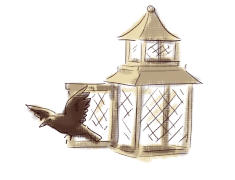
3.
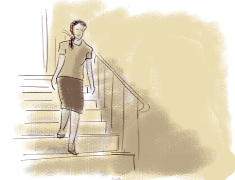
4.
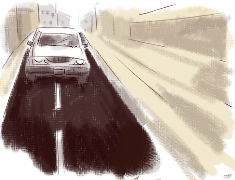
5.
check Answers
reset Answers
Making sentences
These Chinese translations have been jumbled up. Put the words into the correct order so that the sentences make sense again. The first click on 帮助 shows the first two words of the sentence. The second click shows the first four words of the sentence. The third click shows the full answer. Use the audios to check your answers.
check Answers