Housing in China today
Housing in China today
After the Second World War and until the beginning of the eighties, when China was still mainly a rural country, strict restrictions on the migration of population to urban areas were enforced by the government. This all changed in the eighties following the increase in agricultural productivity that freed the rural labour force for employment in industry. The migration controls were relaxed and construction of urban housing became a priority. The large Chinese cities started growing at an enormous rate. This put pressure on the communist welfare set-up as workers employed by a government-owned factory or other organisation were entitled to housing, education and free healthcare, as per the 铁饭碗 system (lit. iron rice bowl, meaning a guaranteed living support structure). Some change occurred at the beginning of the nineties when the 'cradle to grave' state support system, particularly for housing, became unsustainable. It is reported that a government minister said 'housing is a consumer product, not a welfare product'. Chinese citizens have therefore been encouraged to purchase their own homes either with a loan from the government or a bank mortgage. Most homeowners put down a cash deposit, usually 20%, towards their purchase and become 房奴, meaning house slaves. A minority can even pay the full property price with their savings.
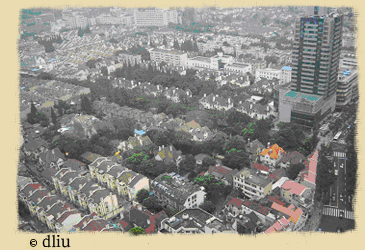
The city landscape has consequently changed beyond recognition. Old city quarters are being demolished and replaced by high rise blocks of flats which are also encroaching into the suburbs. Shanghai is China's biggest city with a population of over 19 million people and Beijing is the second largest city with a population close to 13 million.