Chinese Tea
Chinese Tea
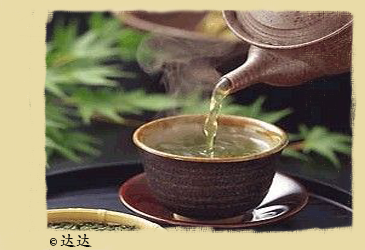
Chinese tea has been a beverage for thousands of years, first for medicinal purposes, then also as an everyday drink. Today it is an integral part of Chinese culture and is an important part of everyday life for Chinese people. It has become a popular purchase for foreign tourists to take back home.
There are roughly 7 classes of Chinese tea based on different plant varieties and fermenting methods:
绿茶 green tea
红茶 black tea (lit. red tea)
乌龙茶 black dragon tea or Oolong tea
花茶 flower tea
黑茶 post-fermented tea (lit. black tea)
黄茶 yellow tea
白茶 white tea
Green tea is not fermented. The tea water is clear and green. It includes 龙井茶 from Hangzhou, 碧螺春茶 from Jiangsu, 毛峰茶 from Yellow Mountain area, etc.
Black tea is fully fermented. The tea water has a hint of dark red colour. It includes 祁红茶 from Anhui and 滇红茶 from Yunnan.
Black dragon tea is partially fermented. Its tea-leaves are fat and loose; the tea water has a hint of golden yellow colour. It includes 铁观音 from Fujian and the best black dragon tea is believed to be 武夷岩茶 from the same area. It is a really complicated process to brew black dragon tea properly and thus it is sometimes jokingly referred to as 功夫茶 Kungfu tea.
Flower tea is made of partially fermented tea-leaves and flowers. The scent of the flowers is kept through the manufacturing process. The most famous flower tea is 茉莉花茶 Jasmine tea from Fujian.
普洱茶 is also a popular tea and belongs to the post-fermented type. It is strongly scented and its tea water red and bright. It is usually compressed into tea bricks for storage and transportation purposes.
Chinese people believe that different types of tea have different medicinal effects. For example, black tea can increase body heat and get rid of extra fat. Green tea is good for the stomach. Post-fermented tea helps digestion!