All students are political
Man Hei (Matthew) Yip, BSc (hons) Accounting and Finance with work placement, School of Management
Man Hei (Matthew) Yip contemplates emerging trends in graduate employment opportunities in the context of historical student political engagement.
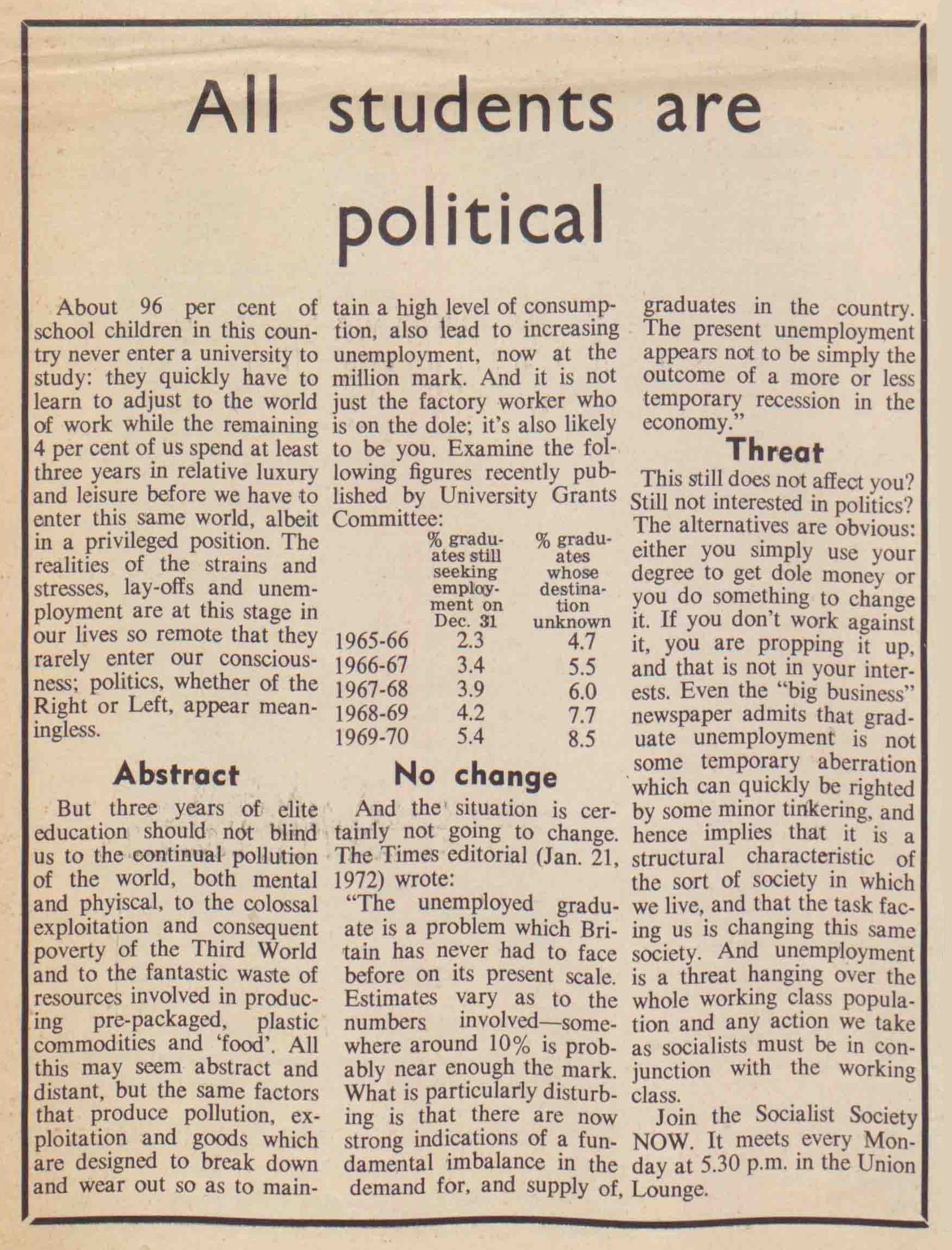
Whether one likes it or not, politics has become an unavoidable part of everyone's daily life. From big international topics such as immigration and trade, to smaller, yet still important, nationwide issues such as the cost of living or the NHS, it is safe to say that politics deeply affects our day-to-day life. Despite this, many people nowadays seem to have gradually lost interest in engaging with politics, with engagement as low as the 2024 General Election, where nearly 40% of eligible voters did not participate in the voting process, making it the lowest turnout at a general election since 2001. While the cause of this requires a nuanced, complex discussion that a single news review would not be able to cover, I think we can all agree that, whether or not you agree with the Socialist Society’s political standpoint, the concerns of the person who wrote this promotional piece have certainly aged like fine wine in current times. Well, perhaps like milk for students like us.
As someone who happens to be looking for a placement-year job, having sent more than 40 CVs and cover letters yet only hearing back from a handful of companies, I can’t help but chuckle in irony at how much the situation has worsened over the years compared to 1972, particularly on the issue of student and graduate employment. At that time, 5.4% of graduates still seeking employment after a year was already seen as a ‘threat’ significant enough to motivate students into caring about politics in the eyes of the writer, which drives me to wonder: how would the writer react to the fact that as of July 2025, around 58% of students who had graduated within the past year were still looking for their first job?
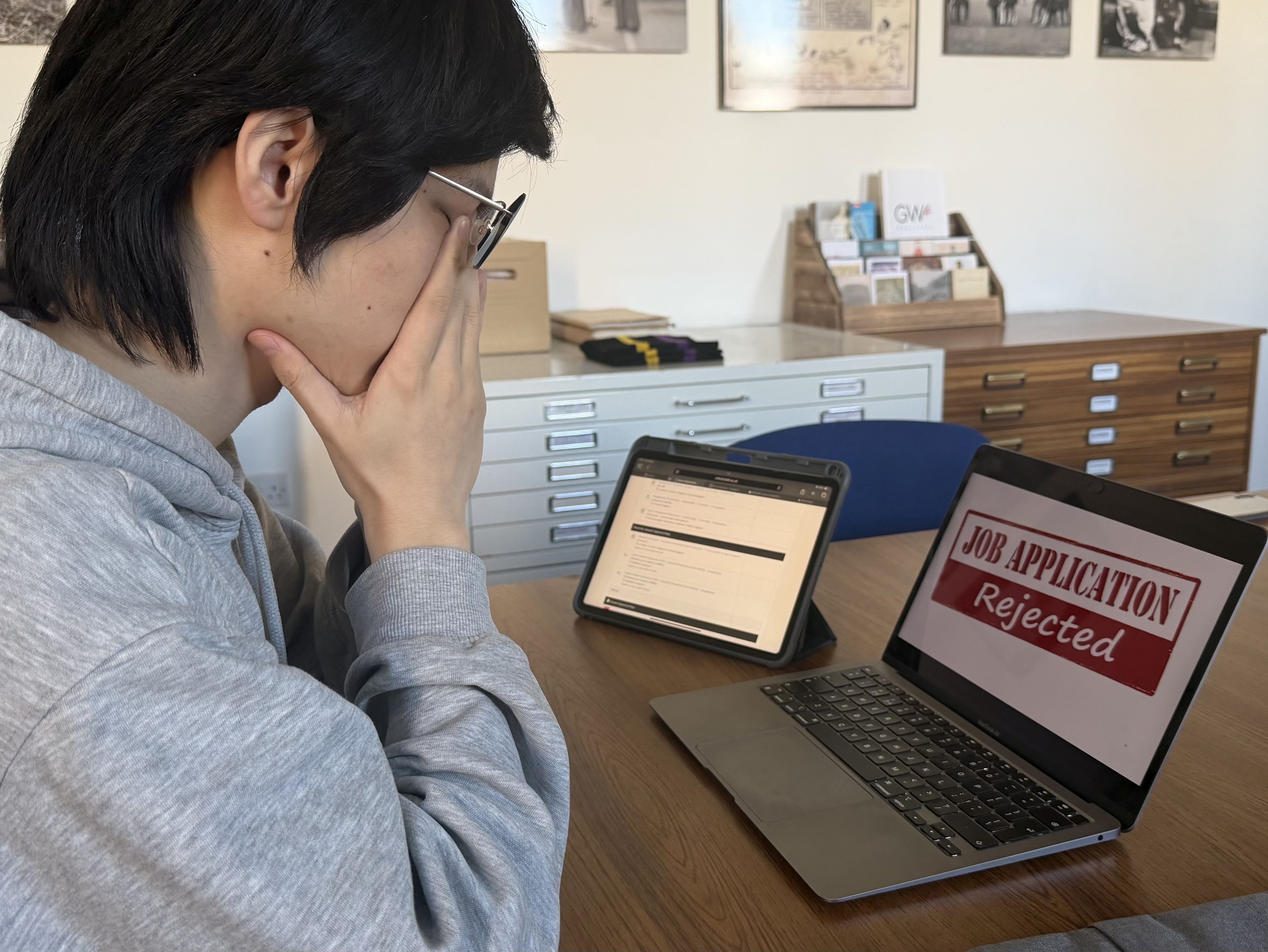
According to Fortune, the UK graduate job market has also become brutally competitive, with the Institute of Student Employers reporting more than 1.2 million applications for just under 17,000 graduate roles in 2023/24. Even if every position were filled, it would still barely make a dent in the mountain of people trying to enter the job market. To make matters worse, this pressure does not simply disappear at the end of one hiring cycle. Instead, it risks trickling down into the next year, where another million, possibly even more, graduates may have to compete with both their own cohort and those who are still struggling to break in, snowballing the issue of graduate employment further and further down.
Even with the most optimistic look I can produce, the future for university students is still looking grim. As for how students can participate in politics to combat this issue? To be quite frank: I have no idea. Voting, joining societies, supporting unions, protesting, or simply refusing to treat unemployment as a personal failure may all matter, but none of them feel like immediate solutions when you are the one staring at another unanswered application. Still, maybe that is exactly why the article’s message still matters. If the system makes students feel powerless, then staying detached only makes that powerlessness easier to ignore. I do not know when someone will be reading this review, but if it is years from now, I genuinely hope this paragraph feels overdramatic. I hope the job market is kinder to you than it feels to us now. And if it is not, then perhaps the writer was right: students are political, whether we like it or not.