Science REF 2021 impact case studies
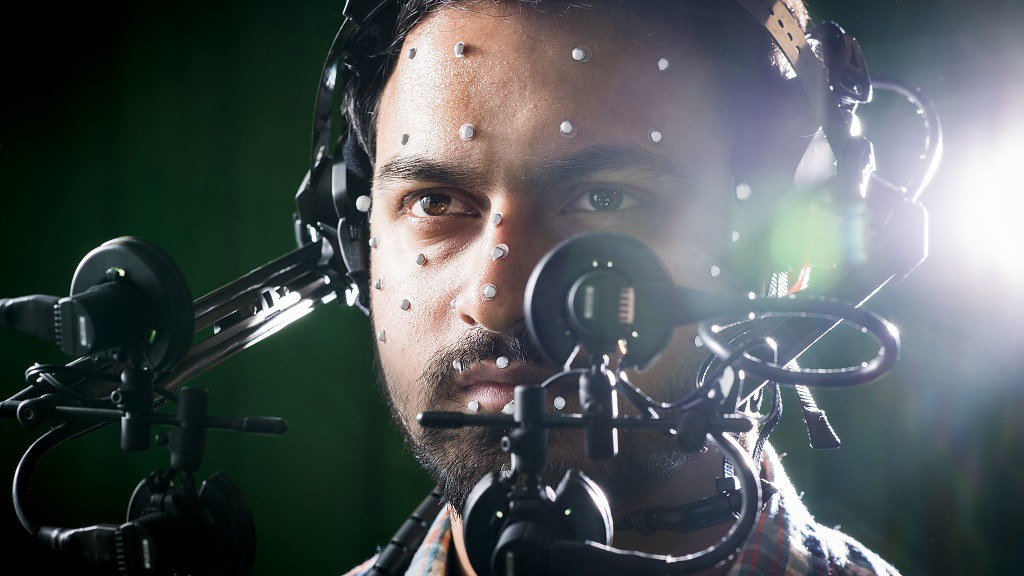
Our research is improving lives and changing the world we live in. Read the stories behind our Research Excellence Framework submission.
Find out about the research behind our REF 2021 submission.
Our research is improving lives and changing the world we live in. Read the stories behind our Research Excellence Framework submission.
Find out how our research is improving lives and changing the world we live in.

New drug discovery technology harnesses bacteria to do the hard work of medicinal chemistry by creating drug candidates and testing them inside living cells.

Drawing on more than a decade of data, a new study from Bath sets out a clear framework for monitoring underwater noise in the Arctic.

Hand gesture controls being developed for the next generation of virtual and augmented reality systems risk excluding millions of people – new research.
Researchers have engineered a molecule that prevents the clumping and build-up of Alpha-synuclein, a protein linked to Parkinson’s disease and other dementias.

The visit was a chance to highlight the University’s hydrogen, aviation, and pharmacy research and education.

Insights into how a faulty gene makes neurones more susceptible to DNA damage could give new avenues for treatment.
The Faculty brings together five departments and a cross-departmental degree with an excellent reputation for both research and teaching. Our students benefit from diverse teaching and research gained from close collaboration with industry across sectors.
A list of the departments in the Faculty of Science.
Our research spans a number of fields and we work together in cross-disciplinary groups.
Take advantage of our strong links with industry and do a placement as part of your studies. You could earn between £15,000 and £25,000.
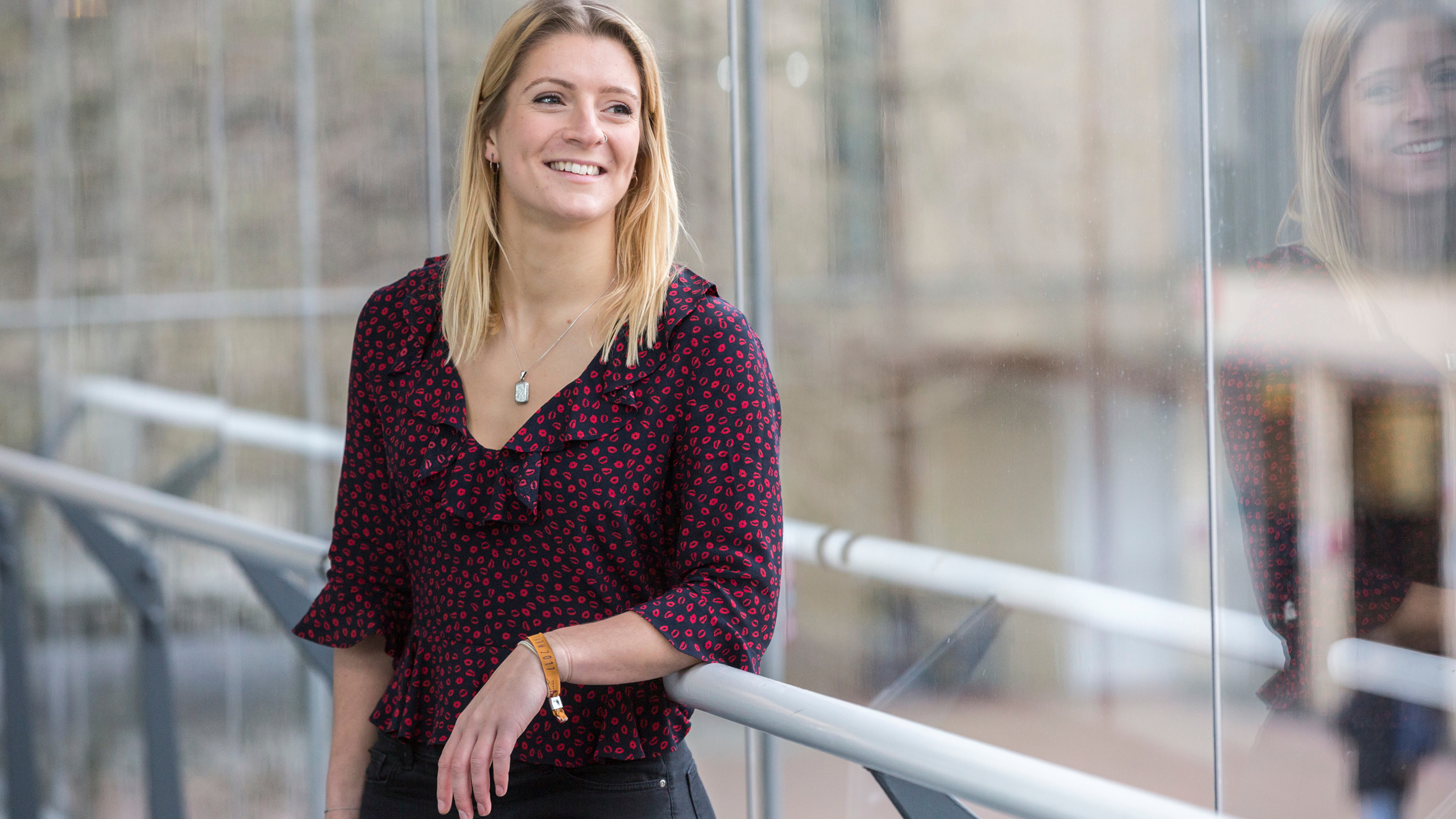
Natural Sciences student Bea Perks researched a placement outside her degree's field, and made significant discoveries.
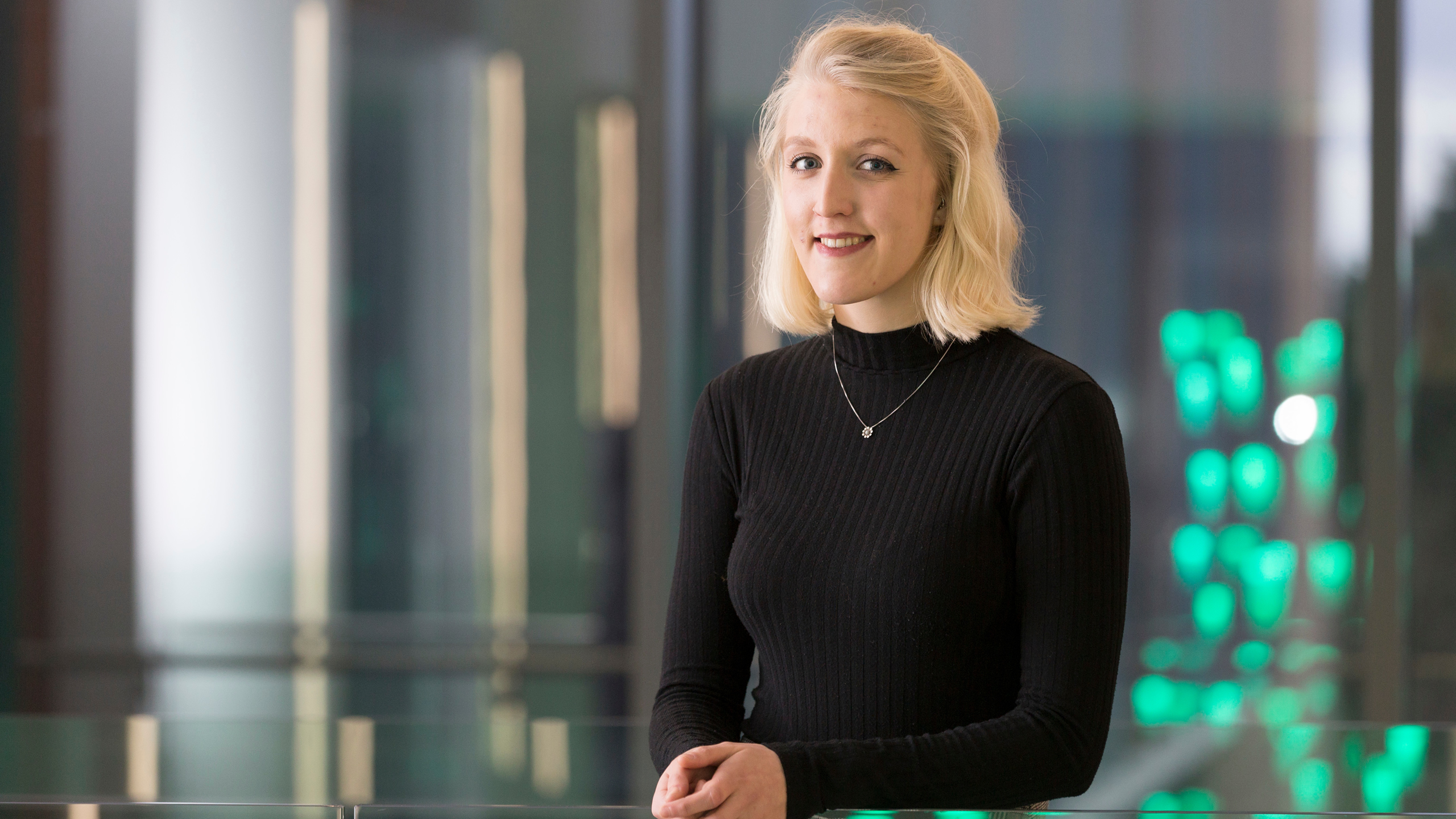
Biochemistry student Kate Dicker describes how her placement at GeneSys Biotech Ltd has convinced her to pursue a lab-based career.
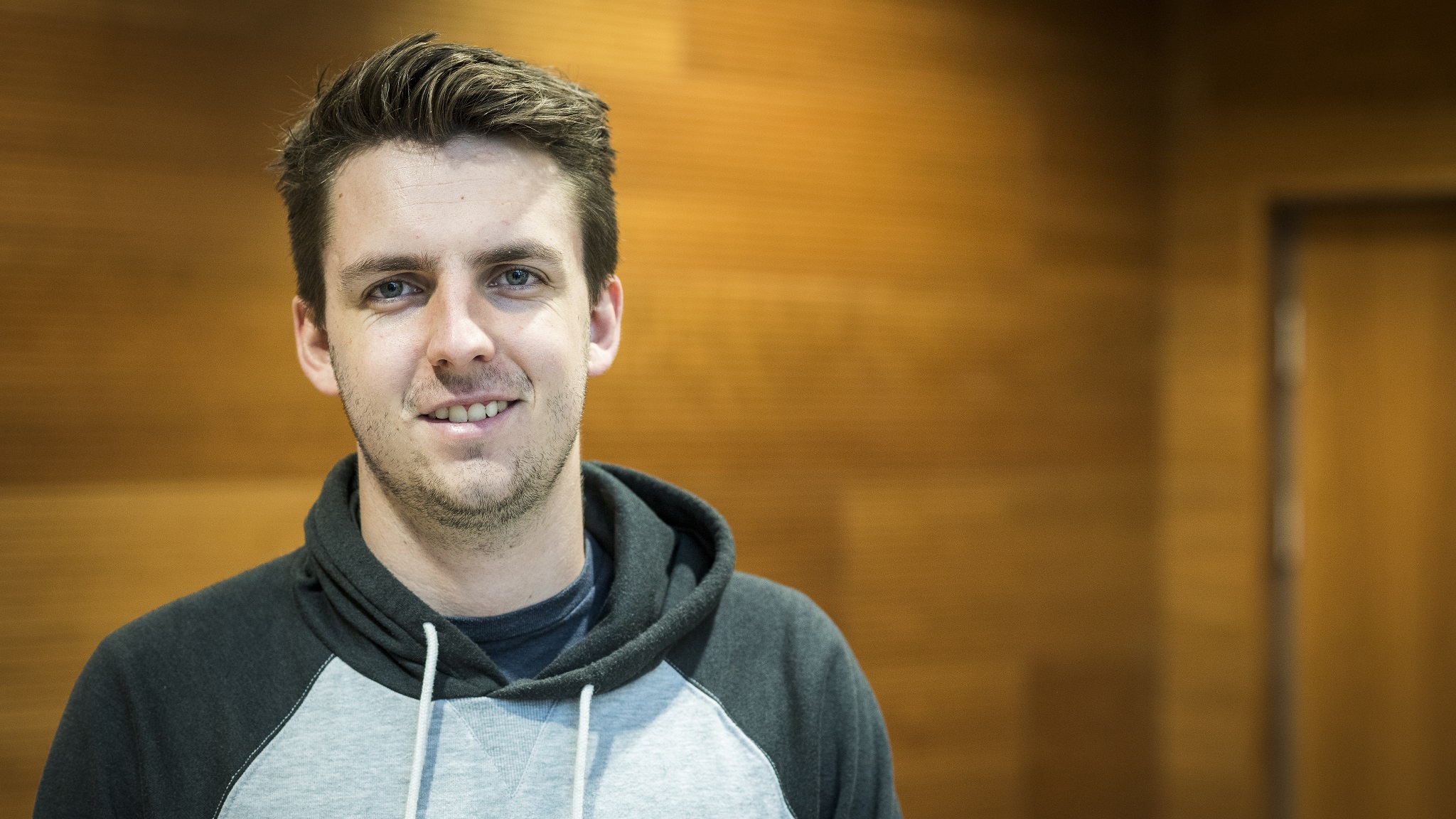
Physics student Adam Stannard opted for a placement as an operational research analyst to gain new skills and insight into the business world.
The Faculty hosts a range of facilities providing analytical equipment and expertise to researchers and industry.

A multi-user facility providing protein expression and purification services to researchers across the University and beyond.
The latest news from our Faculty.

Professor Tony James has been recognised for his world-leading research by the Chinese Chemical Society (2025).

After almost a decade since it was established, the Milner Centre for Evolution will be changing its name to the Centre for Evolution (CEvo).

We placed in the top 150 for Mathematics, Chemistry, and Pharmacy and Pharmacology.

Chris Budd OBE, professor of Applied Mathematics, has been named an inaugural founding Fellow of the Academy for the Mathematical Sciences.

Former Bath student, Dr Alexander Rhys, has been awarded an OBE in the New Year Honours 2026 for services to healthcare and the LGBTQ+ community.
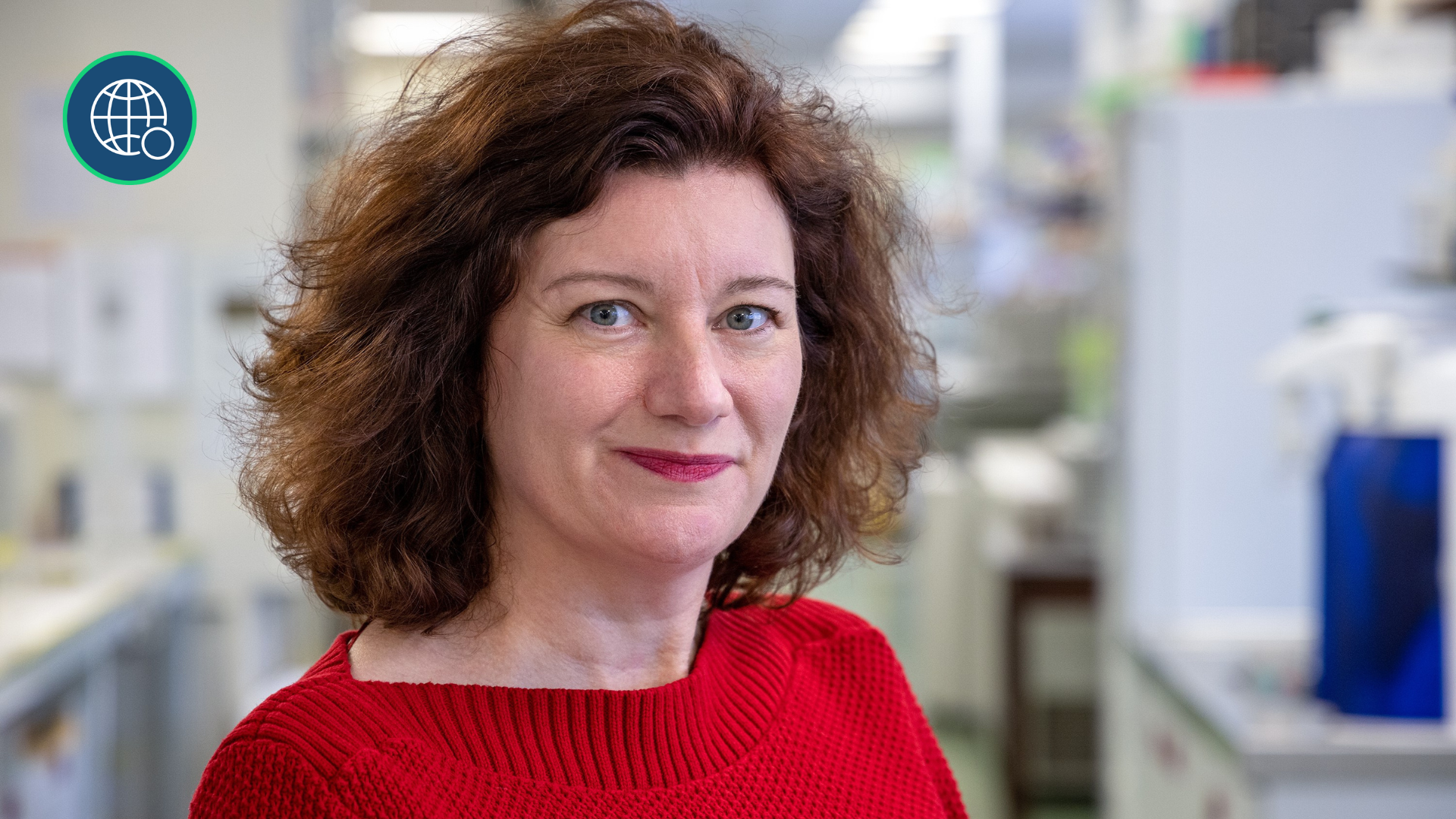
The Director of the Milner Centre, Professor Turi King, has been appointed a trustee of the charity.
The Faculty of Science is the largest faculty in the University with over 3,500 undergraduate students, 650 postgraduate students and more than 300 academic and research staff.
Ask us for more details about our courses and research, and keep up-to-date through social media.