Digital & Analysis

Characterising complex chemical mixtures and selective molecule detection.
Research in the Department of Chemistry is organised into five research themes.
Characterising complex chemical mixtures and selective molecule detection.

Investigating and improving our environment and healthcare

Designing and producing novel materials.
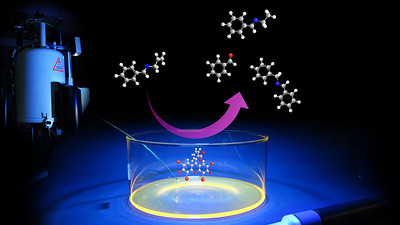
Studying all aspects of chemical reactions.
99% of our submitted research activity was ranked as ‘world-leading’ or ‘internationally excellent’ in the most recent Research Excellence Framework (REF2021). Learn more about how our research helps to shape a better future .

Professor Tony James has been recognised for his world-leading research by the Chinese Chemical Society (2025).

Two early career researchers at Bath have been awarded funding as part of the Academy of Medical Sciences Springboard programme.

A new method for chemically recycling acrylic uses less energy and non-toxic solvents without reducing quality, so plastics can be recycled again and again.

Scientists at Bath have developed a new photocatalyst that uses sunlight to degrade PFAS, a group of chemicals that don't break down naturally.

Molecular 'reshuffle' could be a game-changer for fine chemical processes used in wide applications from drug manufacture to advanced materials.

Scientists at Bath have found that despite fewer antibiotics being used during lockdown, antimicrobial resistance still persisted in the environment.
In our interdisciplinary research centre we work towards a sustainable future.
A multidisciplinary centre that brings together researchers with a strong interest in sustainability.
We also support research in faculty- and university-wide interdisciplinary research centres.

We address the grand challenges in human health and wellbeing through transdisciplinary and translatable bioengineering research.

We are an interdisciplinary research centre bridging science and engineering.
We provide a unique environment to engage globally in research and policy on water technologies and resource management.
We provide a thriving environment for PhD researchers. We host and are partners of several centres for doctoral training across the chemical sciences. Find out more from other students.

Doctoral training programme which places fundamental concepts of sustainability at the core of research, training and outreach in applied chemical sciences.

We support and enrich the experience of our doctoral researchers and play a key role in developing policy and strategy relevant to doctoral study.
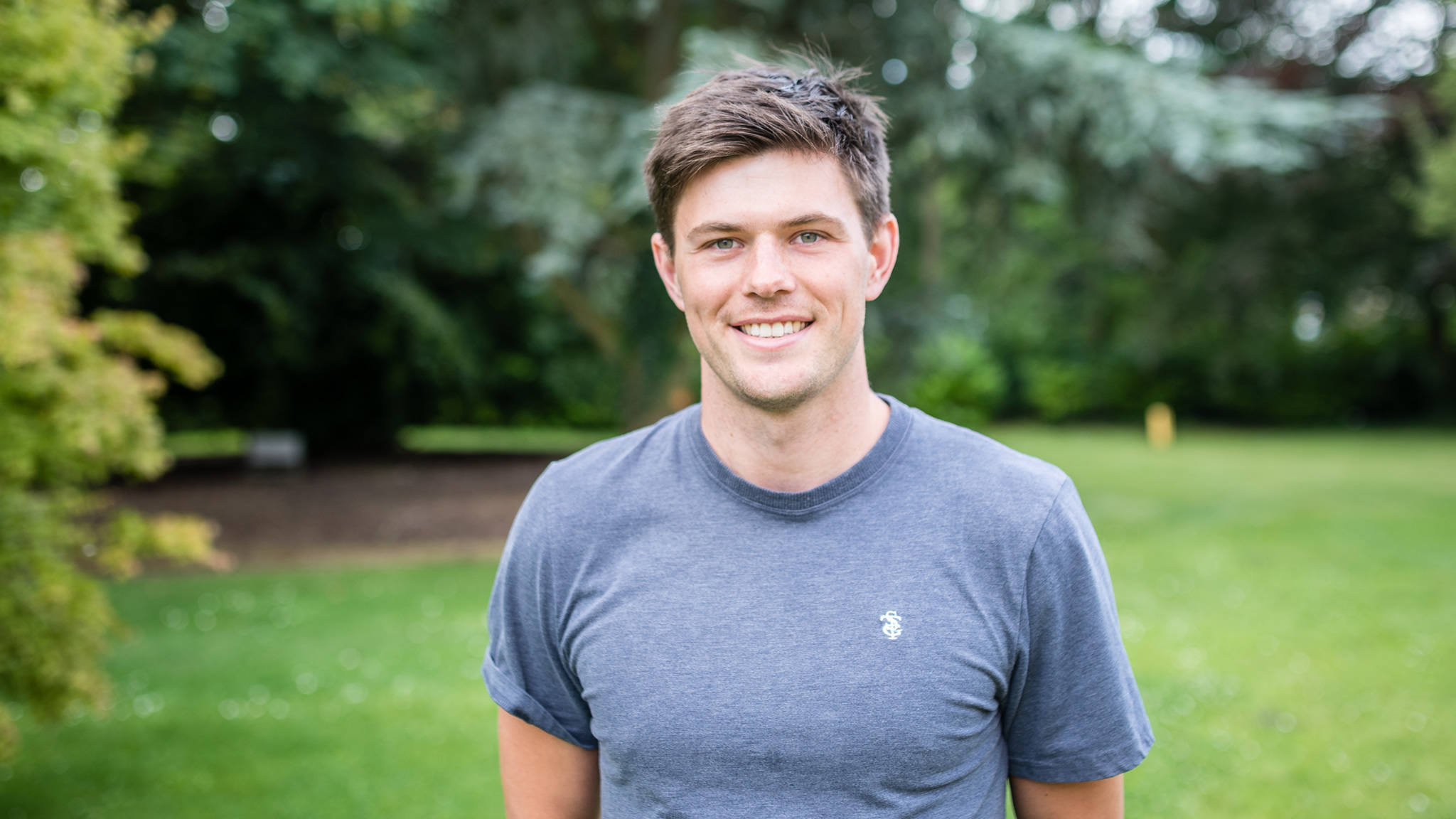
Ex-England decathlete, Jamie Courtenay, talks about what inspired his PhD research into tissue engineering.

PhD student and Bath graduate Anna Kinsella, realised staying on for a PhD would open the door for her choice of a career in Chemistry patents.
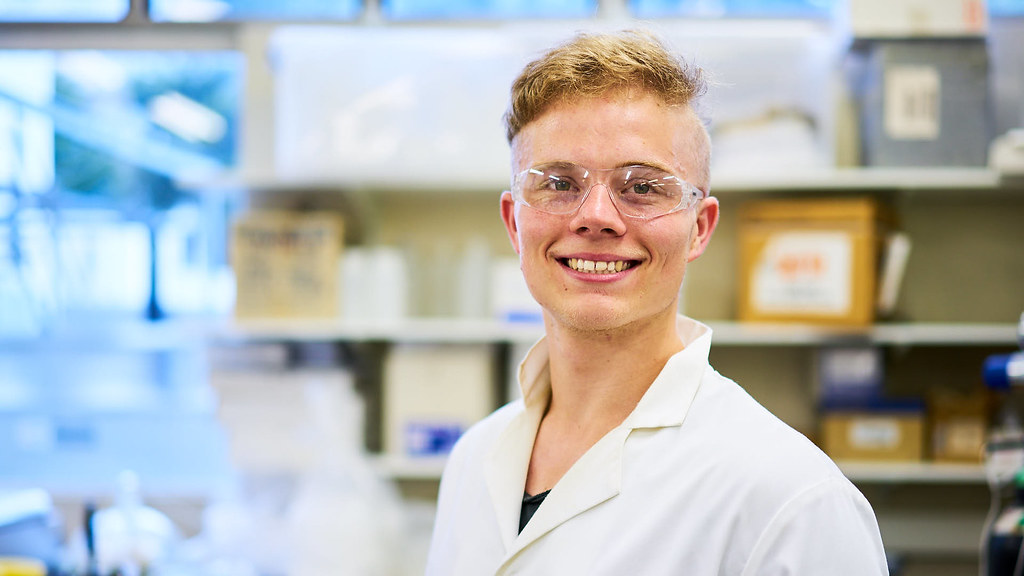
Bath graduate Dominic Macias stayed on campus for research in his third year rather than go on placement and was inspired to stay on for his PhD.
Apply now for one of our academic positions.
Find out more about research consortia in which we participate.
Find out more about some of our major research grants.

EPSRC Centre for Doctoral Training in Sustainable Chemical Technologies: A Systems Approach

Hub 'Science' 3: Catalysis for the Circular Economy and Sustainable Manufacturing
Nucleophilic Alkaline Earth Boryls: From Conception and Theory to Application
This project will provide detailed and much-needed understanding of fundamental reaction mechanisms in the emerging field of photoredox catalysis.

RED-ALERT CDT's will train a new generation of leaders to transform how we manage aquatic environmental health via Real-Time Digital Water-Based Systems.
Non-Benzenoid Fluorophores to Enable New Imaging Modalities
Find out more about our spin out and start up companies, which resulted from commercialising our research.

Binx Health is improving sexual health and wellness through new delivery methods that prioritise clinical integrity and consumer privacy and convenience.

Naturbeads produces biodegradable cellulose microparticles to replace plastic microbeads, making them natural and biodegradable.
We offer undergraduate and postgraduate courses and have a reputation for excellence in teaching, research and innovation.