The Centre for Death & Society (CDAS) was established in September 2005 and provides an environment for those interested in death studies to learn from each other and share their research and experience.
At a time of growing interest in and concern for issues of mortality, we aim to be at the heart of the national and international debate and networks – achieved through media engagement and a monthly e-newsletter. Seminars and an annual conference engage researchers, practitioners and the public in exploring contemporary issues. We host the editorial office of the inter-disciplinary journal Mortality.
Researching death
Even in the most affluent society, risks around death remain. A feared, drawn-out dying through stroke, cancer or dementia becomes more likely the more affluent a society becomes. Environmental concerns now render traditional ways to dispose of the dead problematic. Loss and bereavement threaten personal, social and economic wellbeing. Poverty and disadvantage create added risks, including the risk of dying much sooner. All these risks draw heavily on both public and private resources.
Yet research in both rich and poor countries also shows how practices around death can unite groups, develop communities and mobilise social change. For example, caring for a dying person at home requires yet can also build local social networks; collective provision for a decent funeral established the principle of social welfare in Victorian Britain and is doing so in a number of developing countries today; the anger of grief can motivate social movements for political and policy change.
Our research
We undertake academic research as well as research commissioned by the government, charities and businesses with concern for end-of-life issues.
We also give independent non-partisan policy advice to government and its departments. We promote co-operation between organisations that deal with end-of-life issues and act as a communication gateway to others working in this field.
Our areas of expertise are:
- the experiences of people facing death and bereavement
- practice and policy concerning the dying, the dead, and the bereaved
- how end-of-life practices require yet can also foster community development
- relationships between the living and the dead
- how all this is influenced by economics, politics, inequality, social networks, technology and culture
Our members
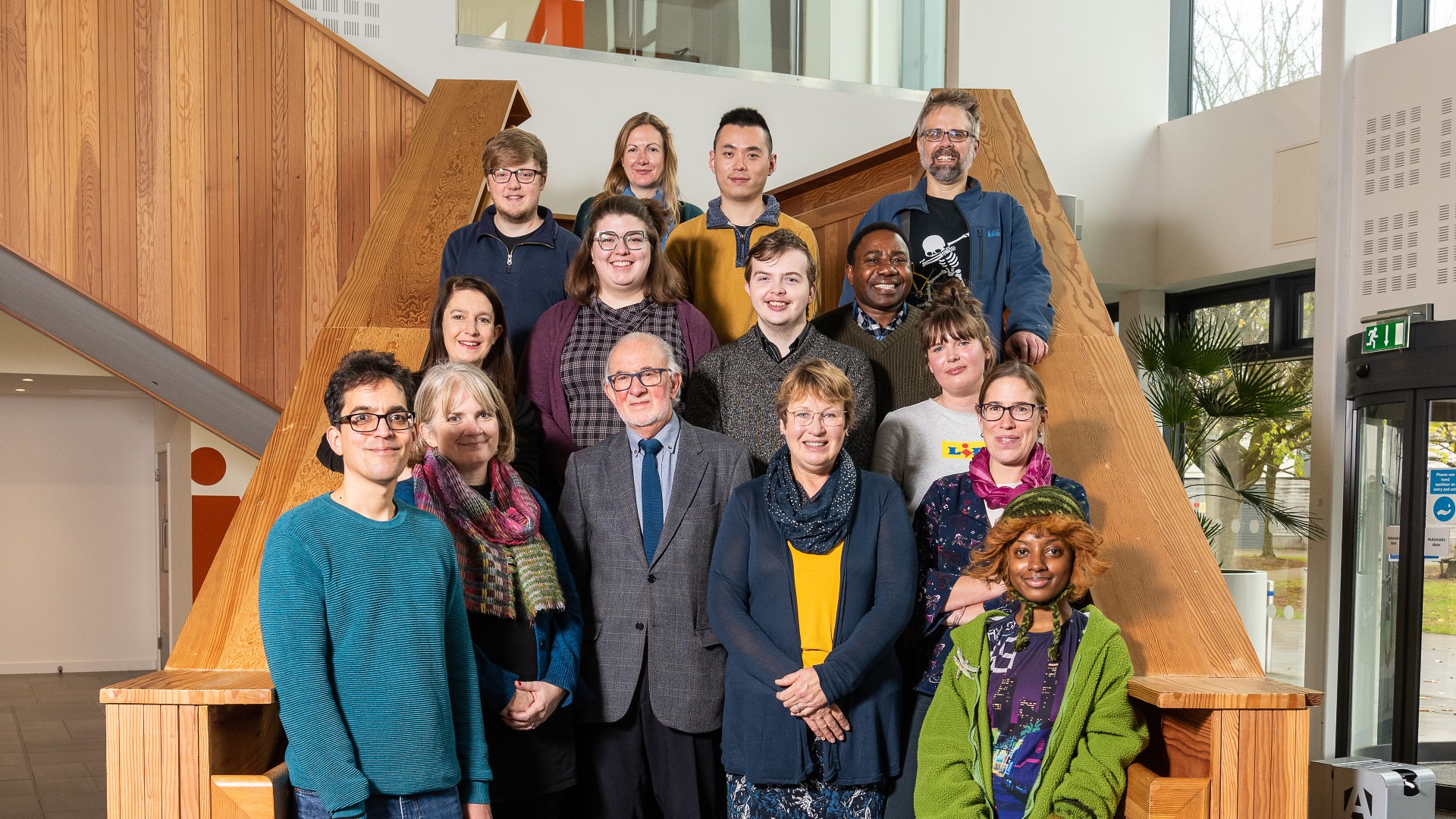
Our membership includes staff from across the University of Bath as well as associates, both internal and external. This enables us to pull together experts from a huge range of subject areas: academics, practitioners, service users and administrators.
We also have an extensive network of associates with expertise in complementary disciplines and professions as well as a community of doctoral students.
We work across many of the research themes of the Department of Social & Policy Sciences and the Faculty of Humanities & Social Sciences, and a number of our projects also involve themes linked to other faculties.
Our teaching
Our staff supervise doctoral students but we do not run any courses.
Our staff are involved in teaching undergraduate courses and death-related issues are often addressed within the units of study.