
Centre for Bioengineering & Biomedical Technologies
We address the grand challenges in human health and wellbeing through transdisciplinary and translatable bioengineering research.
Our research focuses on sustainability. We improve products and processes in areas key to society including water, energy and food, health and well-being.
Our research ranges from fundamental and blue skies innovation to industrial-scale development. They address chemical, materials, pharmaceutical, biochemical, water and waste treatment challenges.
We address the grand challenges in human health and wellbeing through transdisciplinary and translatable bioengineering research.

We are providing industry with the technologies, materials, tools and skills to achieve a truly sustainable manufacturing sector.

We are developing the novel materials, innovative structures and sustainable processes needed to solve major environmental, societal and technical challenges.

We offer global research leadership in regenerative design and engineering, co-evolving solutions with societal, cultural, ecological, and economic co-benefits.
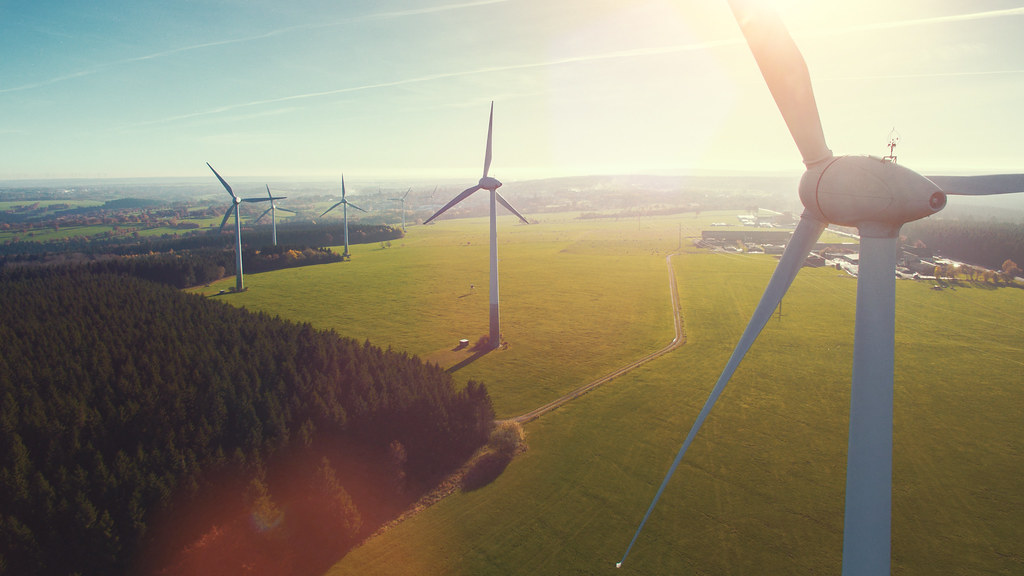
We are connecting, enhancing and expanding research in energy networks, bio-based energy, offshore renewables, life-cycle assessments and more.
96% of our research submitted to the engineering unit of assessment in the 2021 Research Excellence Framework (REF) was rated 4* or 3* defined as world-leading/internationally excellent.
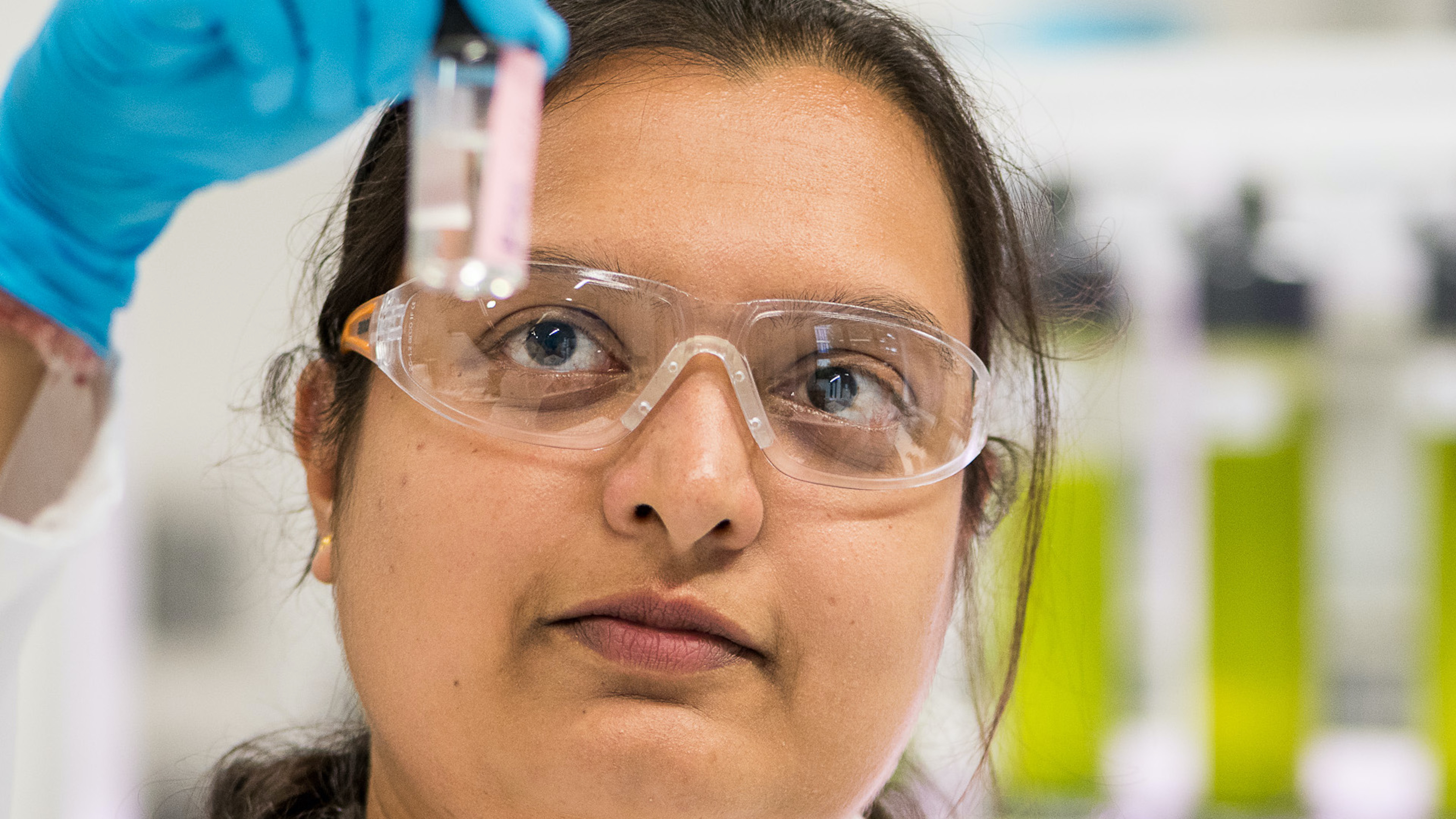
With a PhD in Chemical Engineering and startup business funding, Parimala Shivaprasad is tackling the problem of India's floral waste.

Our researchers have found a unique way to mass-produce organ-like tissue from stem cells that could change the way diseases are detected and treated.
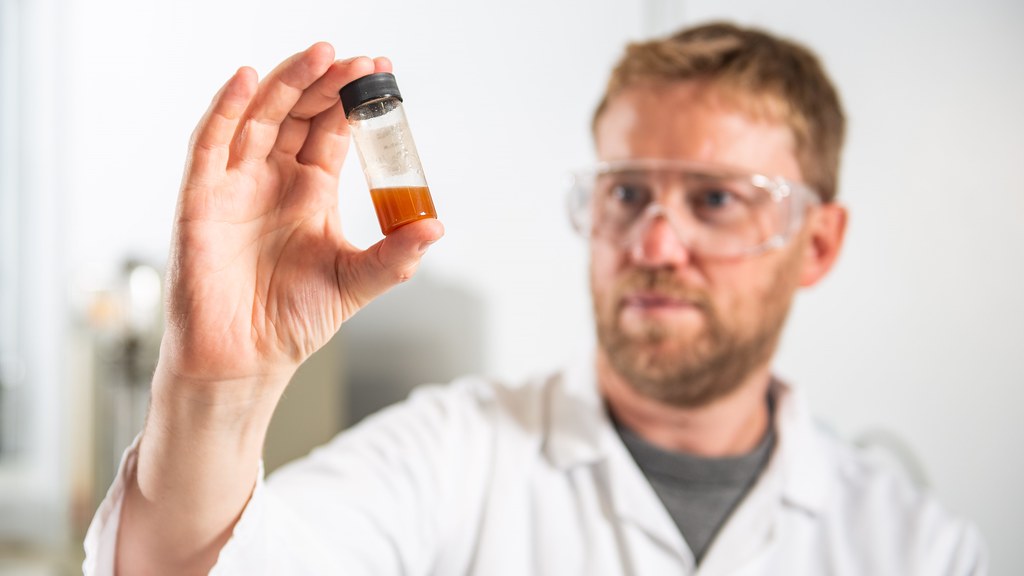
How a yeast fed on waste could take a seat at the dinner table – and curb deforestation.

Growing meat instead of rearing animals to eat could radically change our diets. At Bath, we're leading on making it work at scale.
Our academic community is actively researching to make a better world. Find out more about what they're working on.
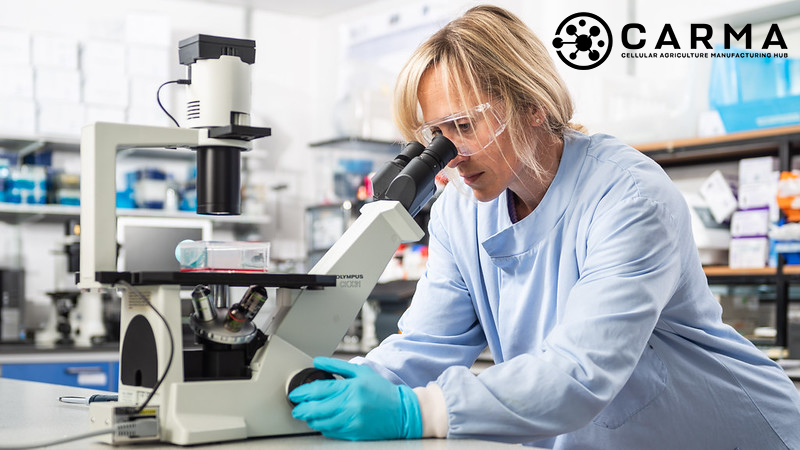
The EPSRC-funded Cellular Agriculture Manufacturing Hub 'CARMA' is working to transform food production.

Delivering a new generation of aerial bioanalytical ‘sentinels’, capable of autonomous detection and surveillance of pathogen bacteria in environmental samples.
Whether you are starting your research career or looking for a change, we may have the right opportunity for you.
With a PhD in Chemical Engineering and startup business funding, Parimala Shivaprasad is tackling the problem of India's floral waste.
Find out about the latest funded and self-funded PhD project and studentship opportunities in our Department and Doctoral Training Centres.