Astrophysics

We study exploding stars, growing galaxies and feeding black holes in an expanding Universe.
Our research covers a wide spectrum of activities, from fundamental physics to technological applications.
We study exploding stars, growing galaxies and feeding black holes in an expanding Universe.
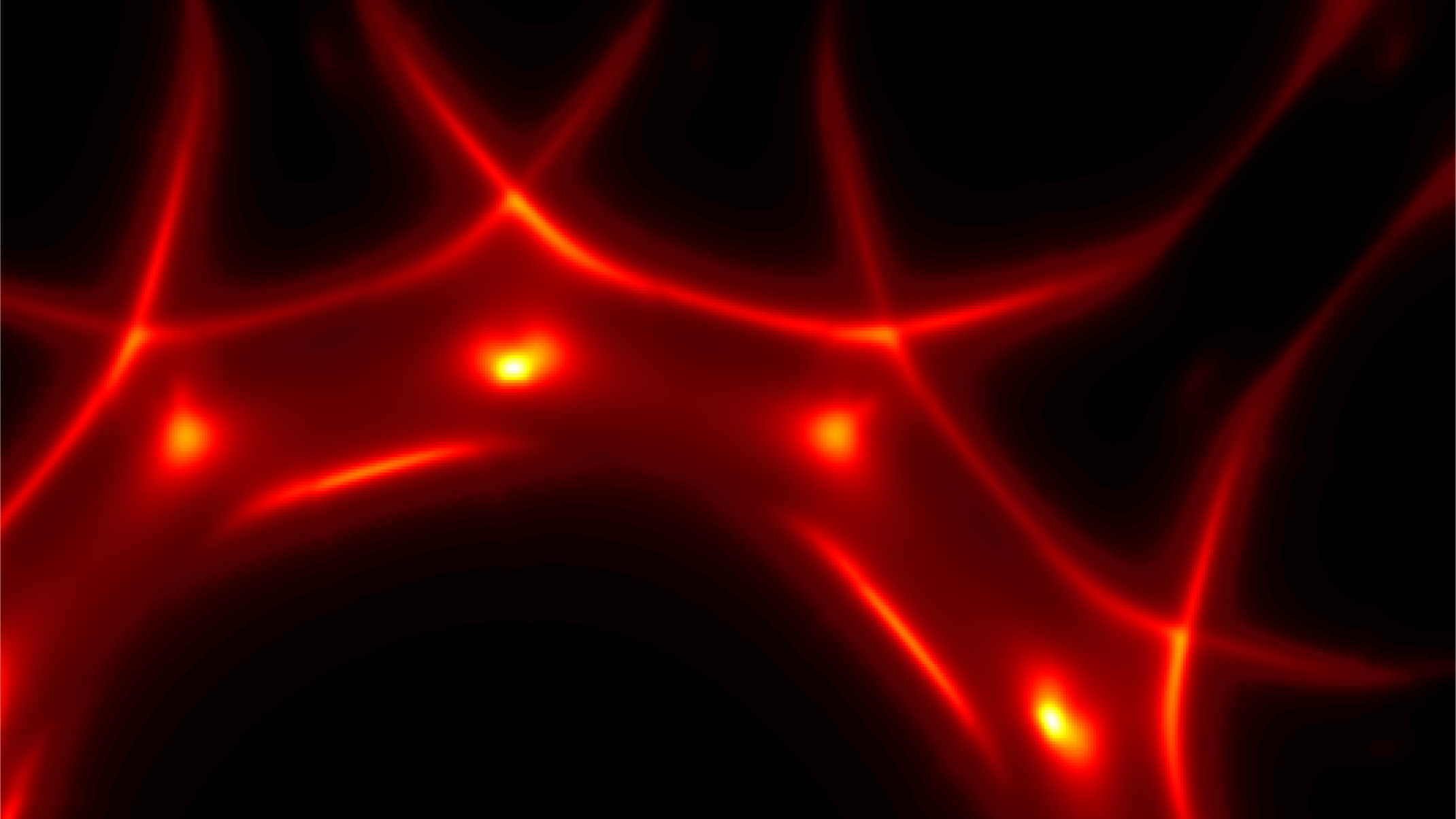
We look at the structure and properties of matter from single atoms to collective quantum phenomena.

Our group develops electronic materials, devices and physical models at the interface with biology and bioelectronic medicine.

World leading expertise in linear and nonlinear light propagation in optical fibres, based on our capability to design, fabricate and explore novel fibres.

We study light-matter interactions in bio-inspired nanomaterials to engineer photonic properties and develop tools for energy, dynamics and structural analysis.
Apply now for one of our academic positions.
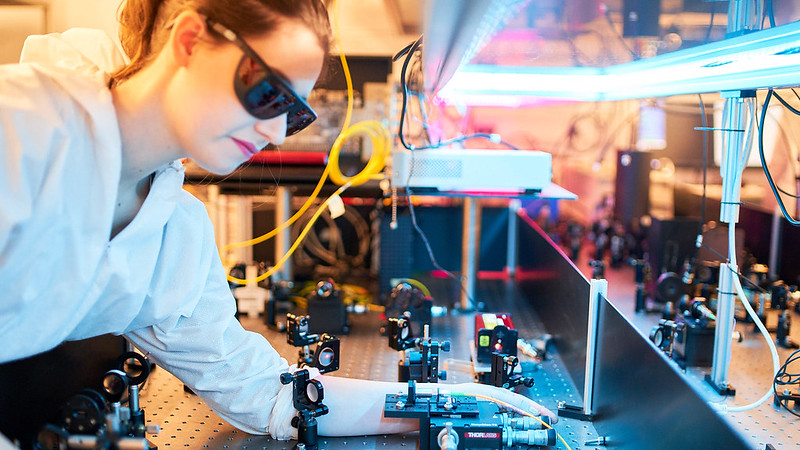
Advice for postdoctoral researchers about how to apply for fellowships and join the Department of Physics.
96% of our submitted research activity was ranked as ‘world-leading’ or ‘internationally excellent’ in the most recent Research Excellence Framework (REF2021). Learn more about how our research helps to shape a better future.

Over half a million pounds of investment has been secured by Ceryx Medical as they develop the world’s first curative therapy for heart failure.

Dr Philippe Blondel talks about partnering with Seiche to monitor seismic prospection, and using acoustic tomography to help protect marine life.
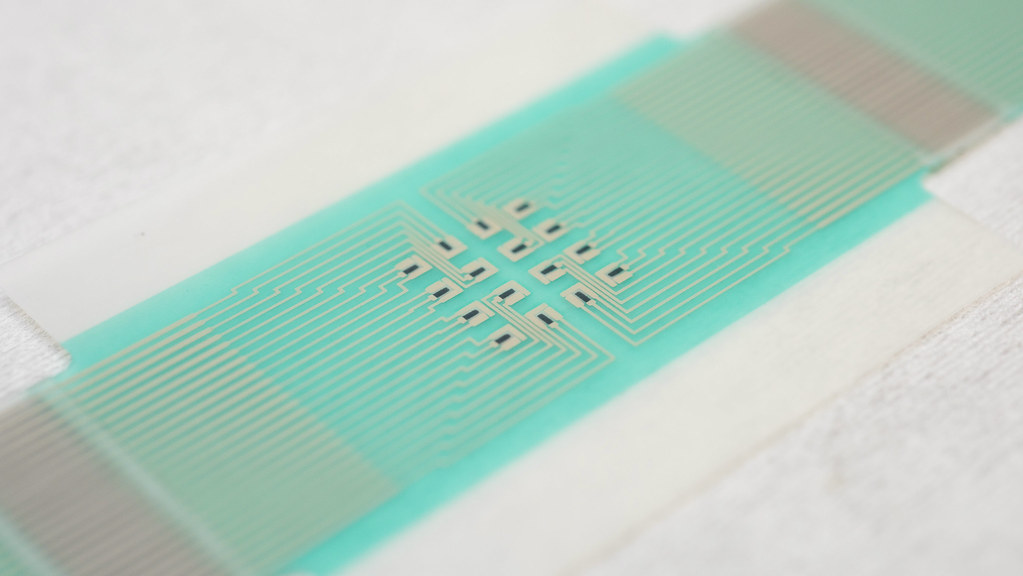
Scientists have created a non-invasive, adhesive patch, which promises the measurement of glucose levels through the skin without a finger-prick blood test.

Endoscopic devices built to test new coronavirus treatments will probably be ready by August, thanks to cutting-edge research at the University of Bath

New research involving Bath physicists could lead to the design of new materials to help improve the performance of perovskite solar cells (PSCs).

For the first time, labs around the world can 3D print their own precision microscopes, thanks to an open-source design created at Bath.
Our research centres build a lively research community across intra- and iter-disciplinary fileds.
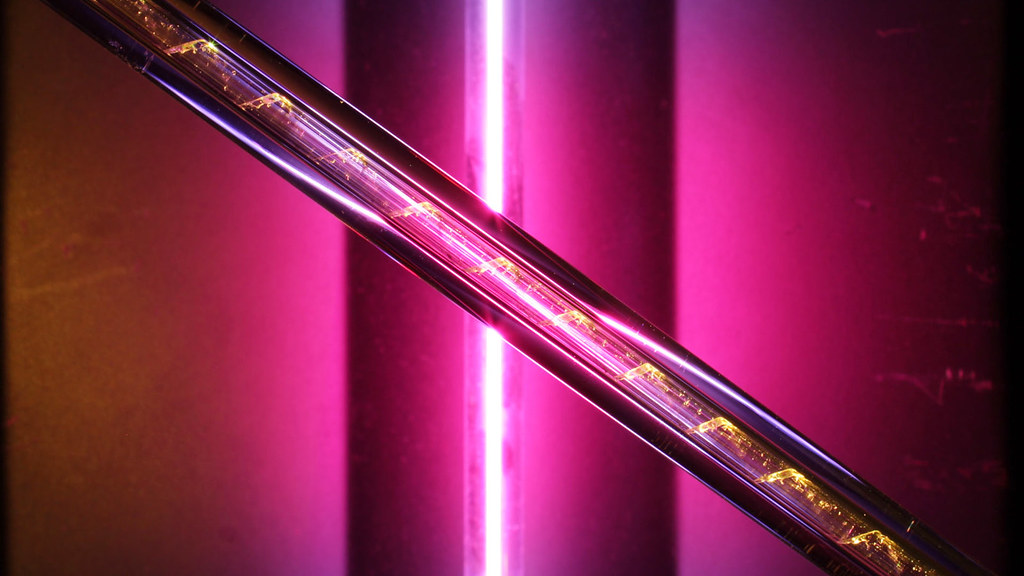
World-leading research in the science and technology of light.
We are also involved in a number of cross-disciplinary research centres within the Faculty of Science.
The Institute for Mathematical Innovation delivers multi-disciplinary and mathematically grounded research for real-world, societal and industrial challenges.

CDT-PV is composed of seven intitutions aiming to train highly-skilled students in sustainable energy and PV sectors.
Explore our state-of-the-art facilities available for teaching, research and industry with expert support from University staff.
We offer projects over a broad spectrum of subject areas. Projects are available as part of Centres for Doctoral Training as well as on an individual basis.
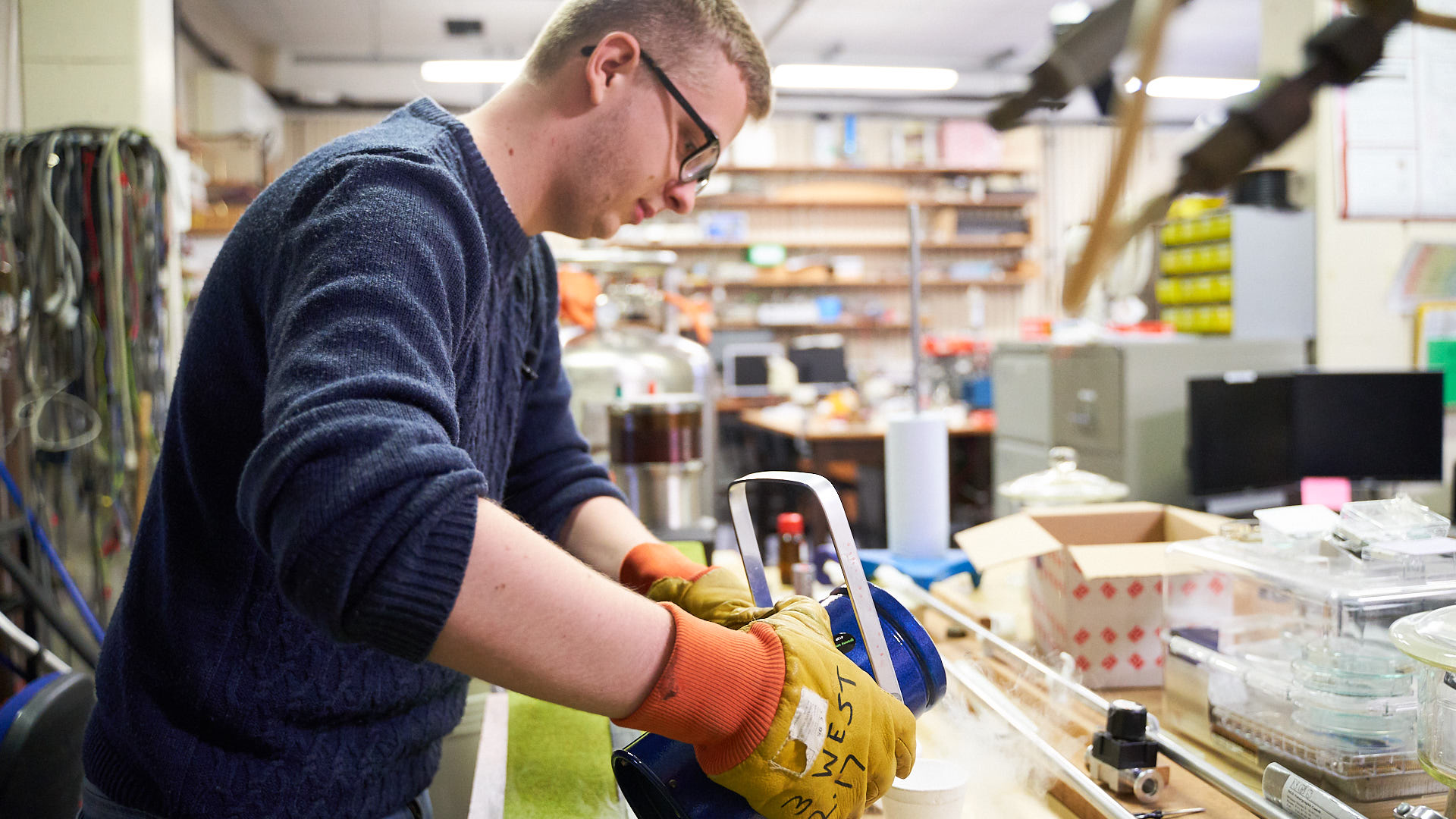
Find out about our PhD programmes, funding opportunities and how you can apply.

We support and enrich the experience of our doctoral researchers and play a key role in developing policy and strategy relevant to doctoral study.
Find out about the Centres of Doctoral Training that the Department of Physics has been involved in.

A multidisciplinary centre that brings together researchers with a strong interest in sustainability.

This CDT trains postgraduate researchers across a broad range of hard condensed matter physics.
Find out more about research consortia in which we participate.
Find out more about some of our major research grants.
Find out more about our spin out and start up companies, that have resulted from commercialising our research.

Ceryx Medical is developing bioelectronics to help control a range of autonomic or rhythmical body processes such as peristalsis, heart rate and even walking.

GLOphotonics SAS is a French start-up set up to commercialise hollow-core photonic crystal fiber (HC-PCF) and their functionalised form Photonic Microcells™.

ORCA Computing’s mission is to build photonic systems that demonstrate quantum advantage, developing quantum computers for real-world applications.

VeriQloud's mission is to unlock the power of quantum communication networks, by working on the applications, software and architectures.
Transdermal Diagnostics is developing non-invasive glucose sensors, which measure glucose levels through the skin without a finger-prick blood test.

Prothea Technologies, a spin-out company from the Universities of Bath and Edinburgh, aims to enable lung cancer biopsy and treatment in a single visit.
Find out more about our department including our courses and staff.