Undergraduate courses in mechanical engineering
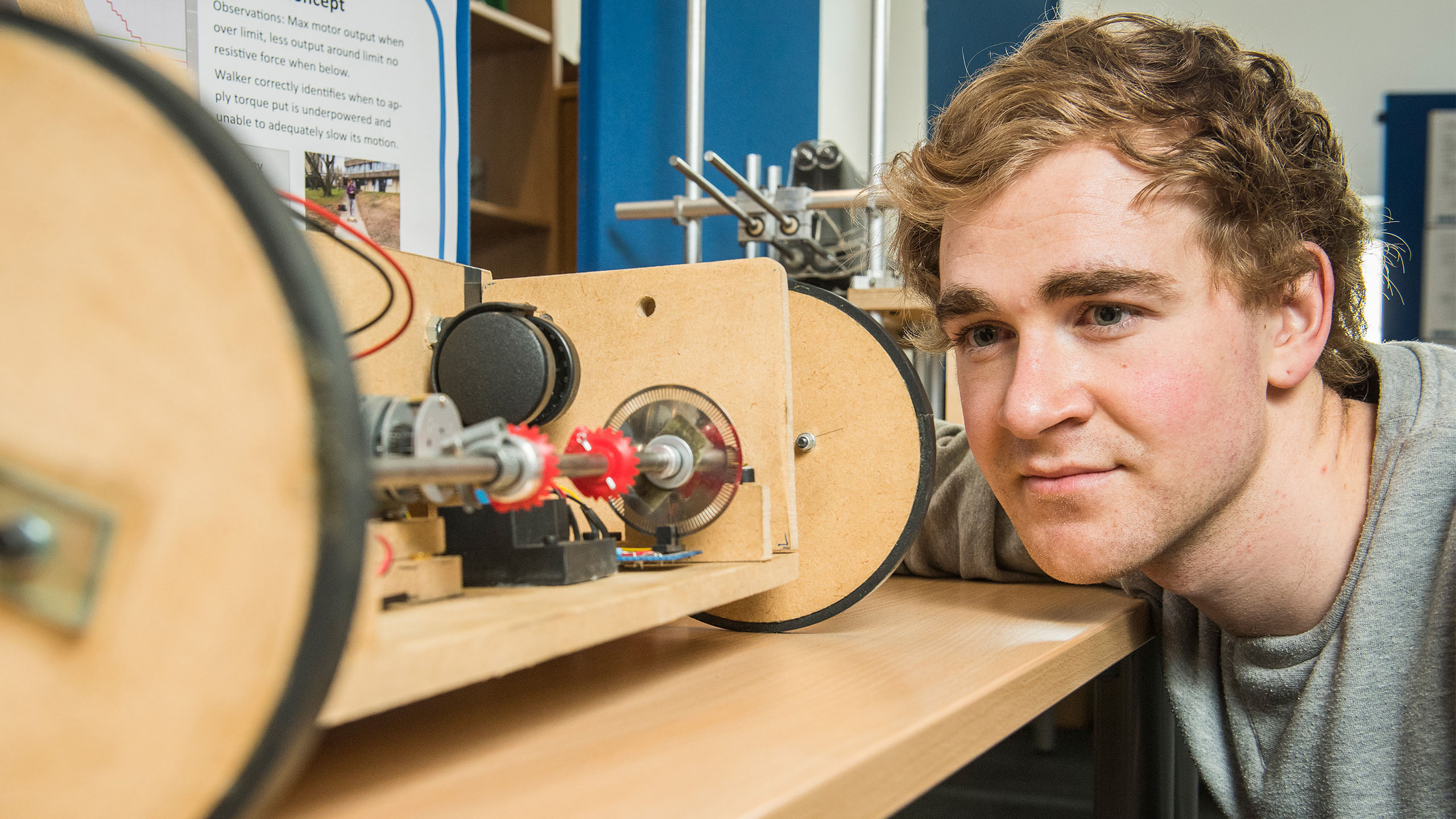
Test the limits of what is possible, by bringing together creativity with maths and physics to design and manufacture machines, technologies and systems.
Our MEng courses give you advanced engineering knowledge complemented by practical and transferable skills, and the chance to gain professional experience during your degree. Find out more about our courses and read about our students' experiences.
Test the limits of what is possible, by bringing together creativity with maths and physics to design and manufacture machines, technologies and systems.
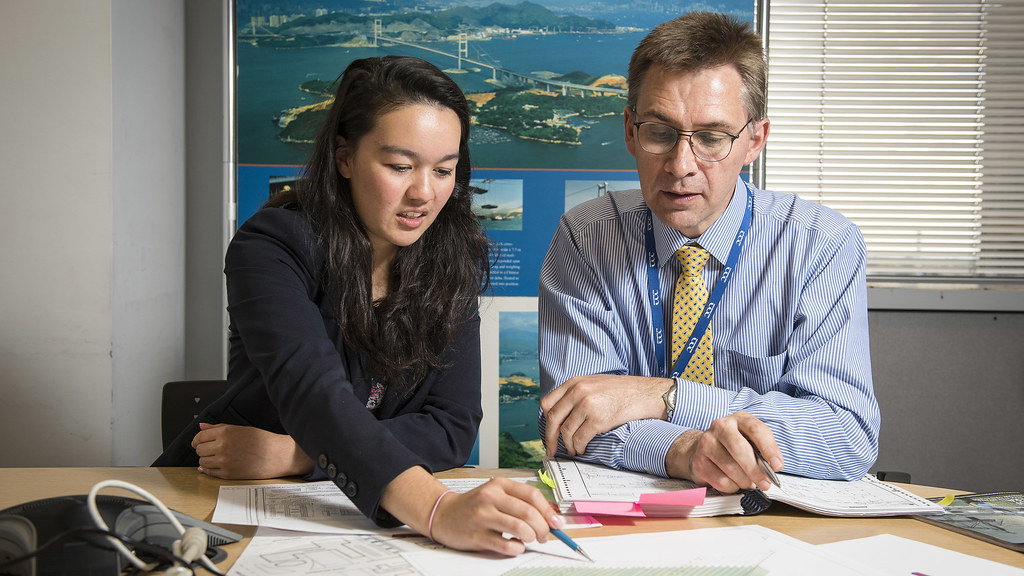
Put your theory into practice with a year-long, paid placement during your engineering degree. You could earn between £16,000 and £25,000.
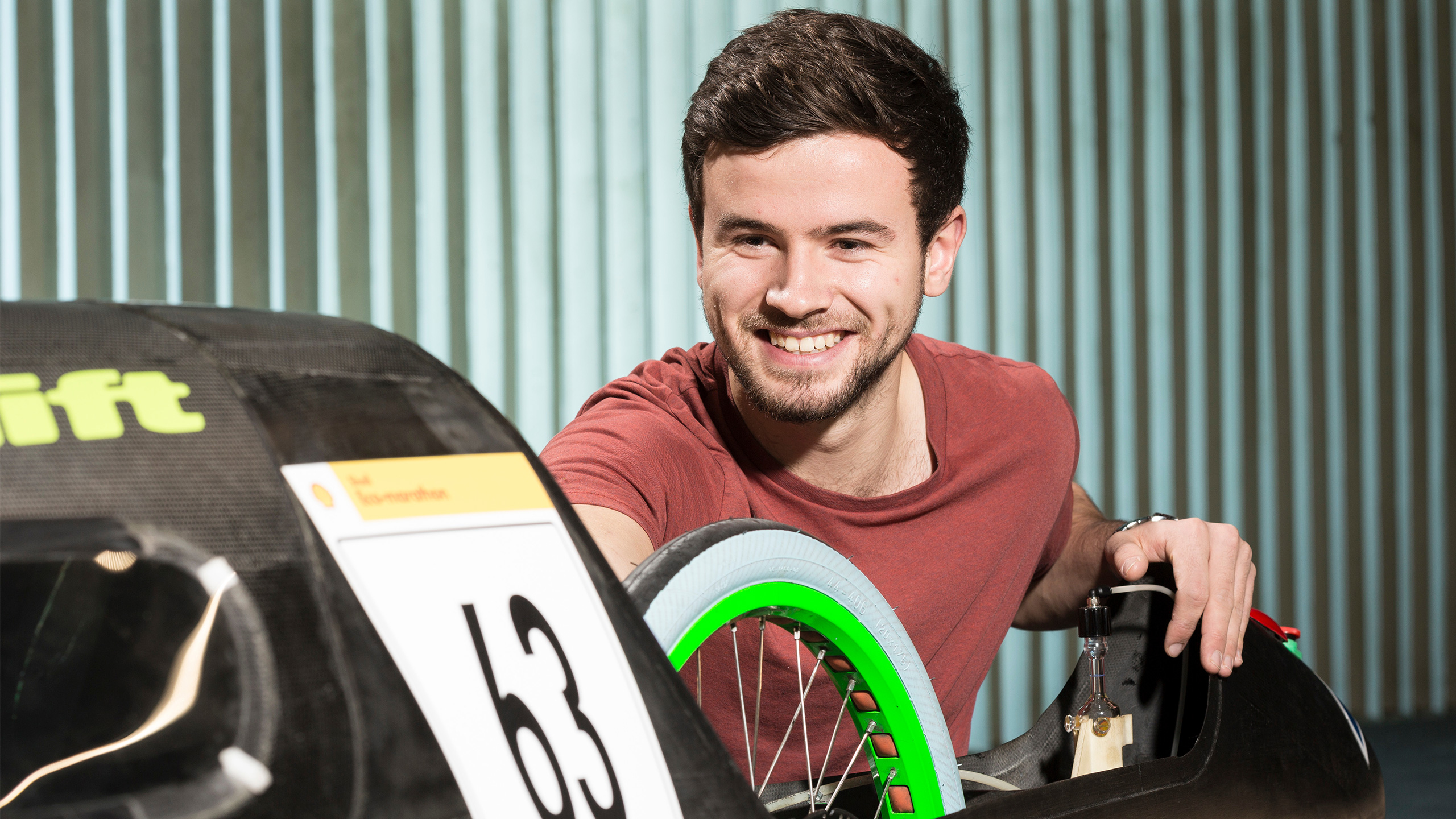
Projects are a core part of our undergraduate degrees. You'll work in teams and individually to develop your skills and use what you learn practically.

We run regular open days for our undergraduate offer holders between March and May. Find out why you should attend one.

Hydrogen-fuelled internal combustion engine developed by University of Bath students runs for first time ahead of speed record attempt
You can improve your career prospects with our specialist master's courses and excellent PhD opportunities. Find out more about our MSc courses, research studentships or look for a PhD supervisor among our academic team.
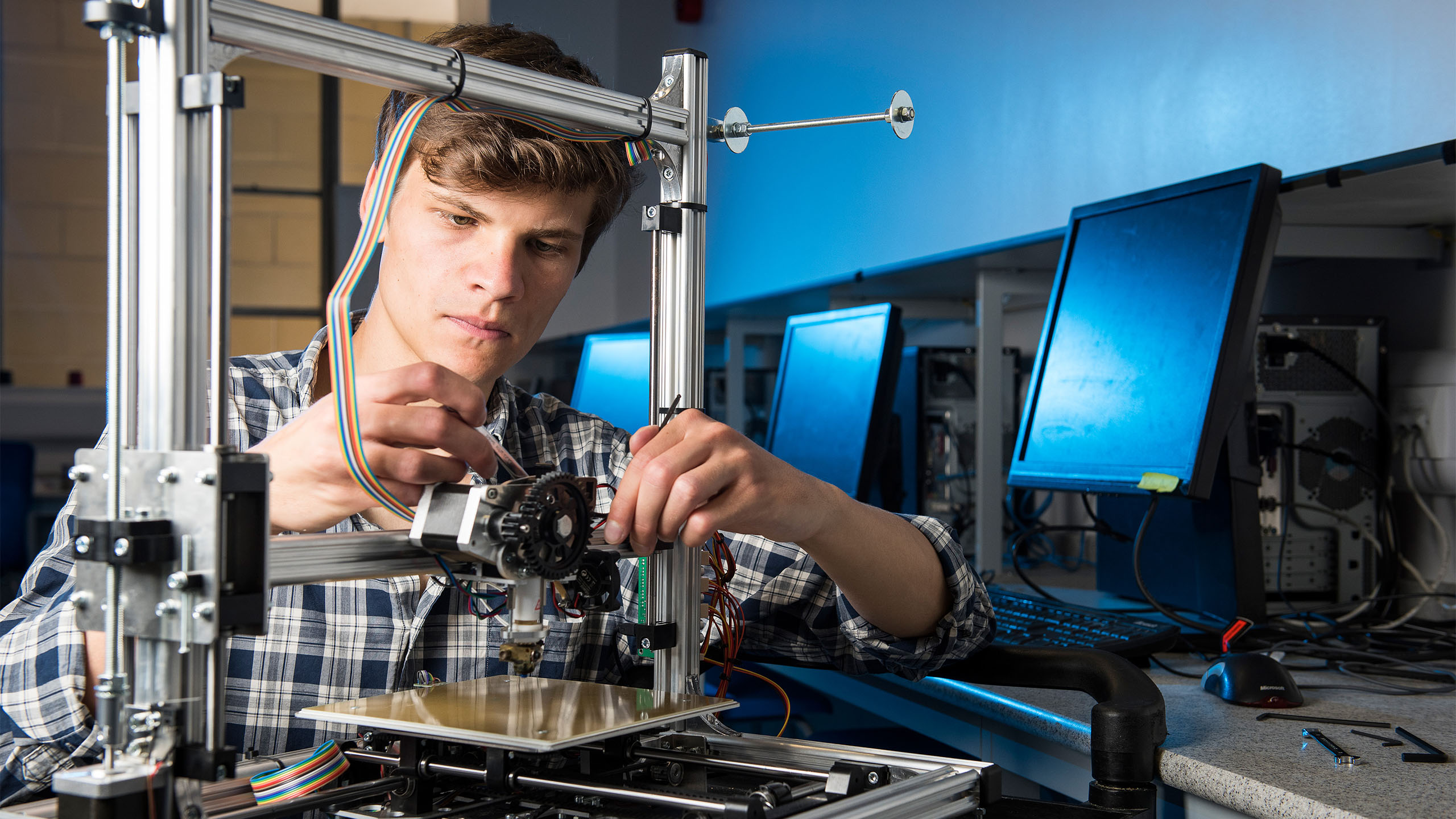
Find out about the MSc courses we offer in the Department.

Join our collaborative and supportive research community, and start your journey to becoming an expert in your field.
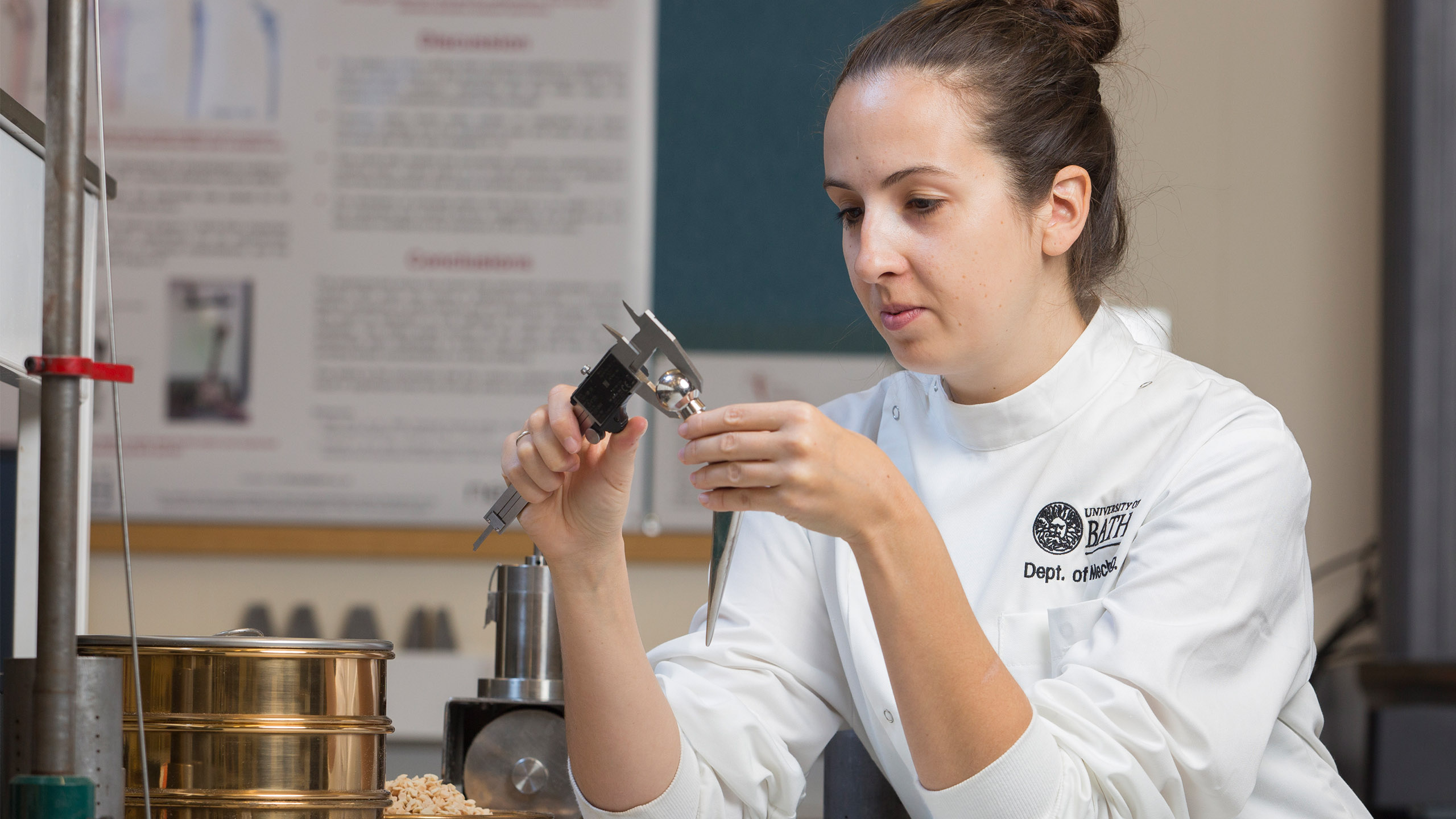
Find out about the latest funded and self-funded PhD project, scholarship and studentship opportunities in our Department.

Study an engineering master’s with a unique project-driven approach to learning, focusing on systems thinking and sustainability in the automotive sector.

Inspiring and working with the next generation of leaders to pioneer and shape the transition to clean, sustainable, affordable mobility for all.
Our research covers a full spectrum extending from fundamental investigations to applied research. We are active in areas including design and manufacturing, machine systems, solid mechanics, materials and thermofluids.
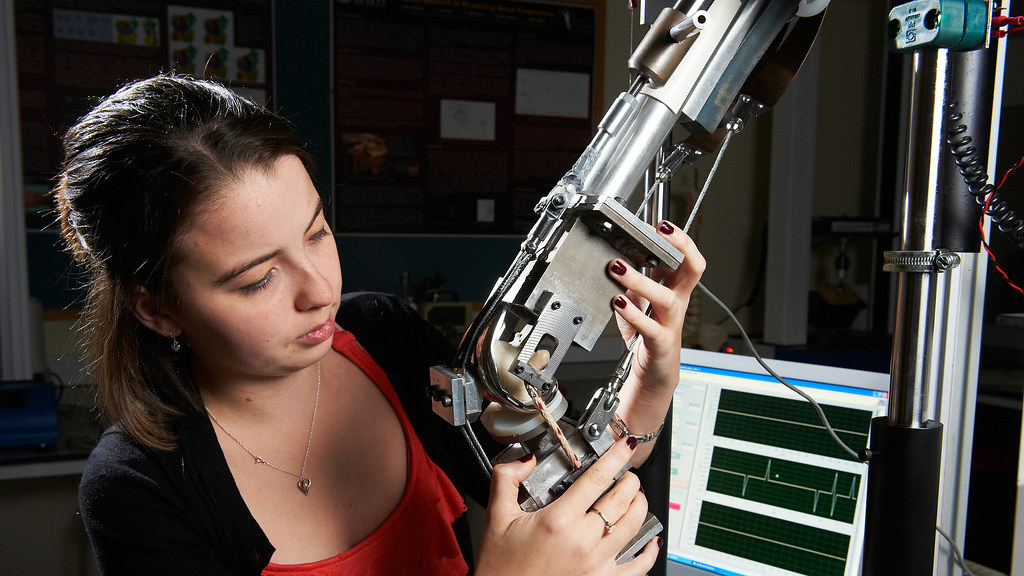
Our research activities and expertise include design and manufacturing, machine systems, solid mechanics, materials, and thermo-fluids.

Extracting the honeycomb network from inside the cacti could support a new generation of low-carbon composite construction materials.

Dr Anna Chatzimichali is a partner in a major new UK research project examining how extreme temperatures in housing affect health, wellbeing and inequality

Transport and sustainability research from the University of Bath was debated by MPs as part of the Select Committee Inquiry.

Marcelle, who is Professor of Energy and Environmental Engineering at the University, received the accolade at a House of Lords event.

Clinical trial of inflatable patient repositioning pillow device begins
From teaching and student projects to placements and research, there are many ways in which we collaborate with industry. We have links with local and international businesses of all sizes. Find out more about what we can offer your company.
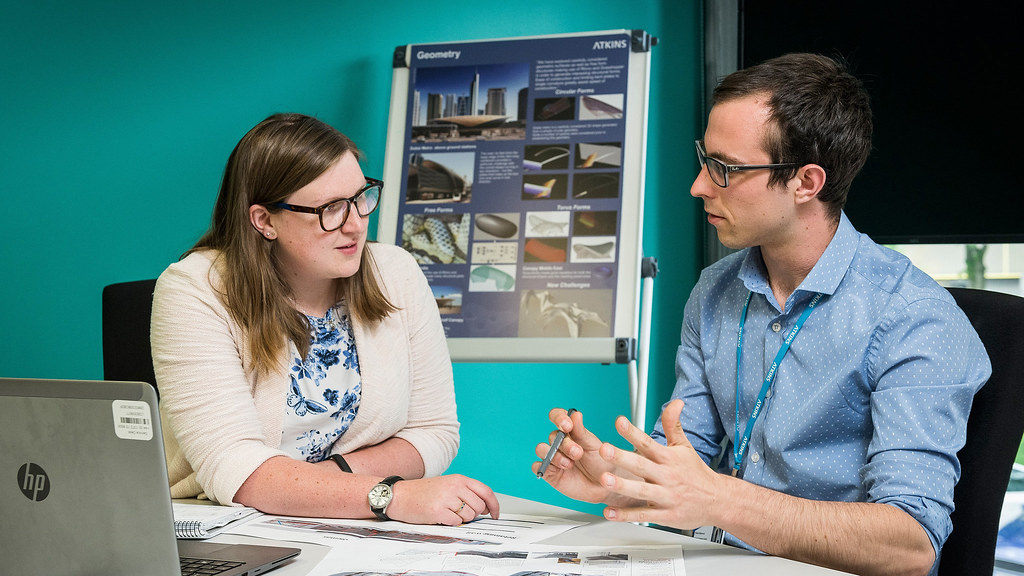
How your company can employ our multi-skilled undergraduate and postgraduate engineering students for professional placements.

From consultancy to student project work there are many ways to collaborate with us across our engineering and design departments.

Set our engineering undergraduate students a real challenge and let them solve it for your company as part of their degree.
Employ our students to work on a four to six-month project with your company and benefit from their technical skills and fresh ideas.
Our Departments holds the Athena SWAN silver award for our commitment to advancing gender equality.
We have a reputation for outstanding teaching, innovative research and collaborative links with industry. We have over 100 academic and research staff, 1000 undergraduate students and 200 postgraduate students.
We are a welcoming Department, providing an inclusive and supportive environment for all to study and work in. View our code of conduct for guidance on behaviours we expect when interacting with us.
Contact our admissions team about applications and undergraduate courses.