Bath Institute for Digital Security and Behaviour (IDSB)

Our research aims to respond to the evolving security risks to – and from – digital technologies from a socio-technical perspective.
Our centres and institutes engage in theoretically informed applied research that spans three areas of strength and focus: health and wellbeing, sustainability, and digital.
Our research aims to respond to the evolving security risks to – and from – digital technologies from a socio-technical perspective.

We research the strengths and challenges experienced by autistic people, to facilitate full and active involvement within society.

A global hub for understanding the systemic and society-wide transformations that are required to address climate change.

Nourishing minds and hearts through psychological science.

We explore pain, in its many forms, and conduct research that’s focused on improving the lives of people affected by it.
Find out more about our Department's Research Groups and Labs.
Our research staff belong to research groups and labs. Their work covers topics within the areas of health and wellbeing, sustainability, digital, and social.
Our departmental research falls under five thematic areas. We focus on theoretically-informed applied psychology.
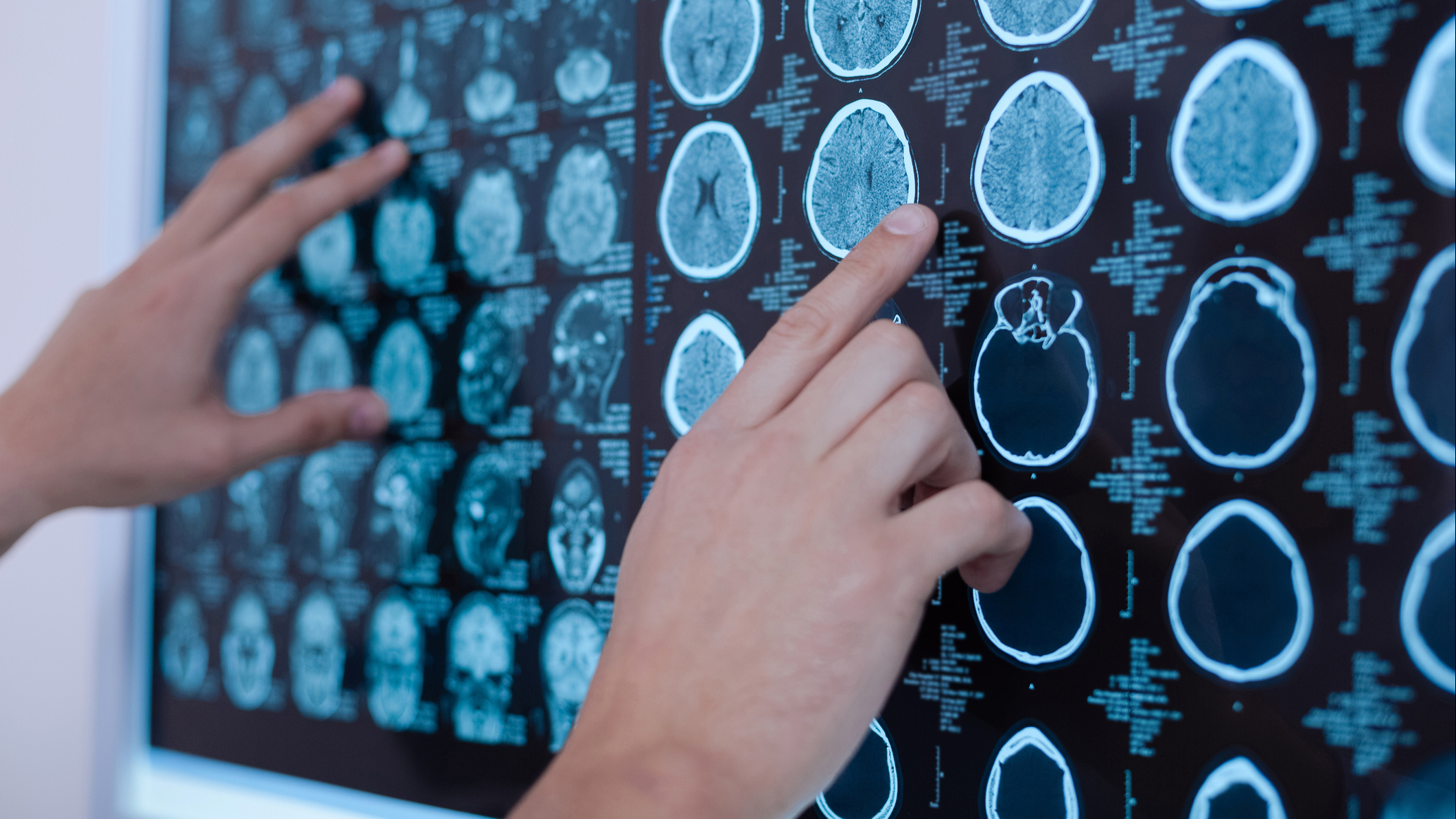
Our research focuses on the study of the mind, and processes such as reasoning, visual processing, problem-solving and emotion.

We research the cognitive, emotional, behavioural and physiological processes that link to psychological problems

Our research in this area includes strengths in child trauma, autism and language development.

Our research includes specialism in risk, pain and addiction.

We focus on the interaction of people with their environments.
Find out more about research projects in our Department.

This research looks at how moments of individual and societal disruption can lead to lifestyle changes that make a positive environmental impact.

This project brings together pain and mental health experts and experts-by-lived-experience to better understand how pain and autobiographical memory interact.
This research aims to ensure autistic people with gender dysphoria get the right support and help NHS clinicians to better understand the needs of this group.
We are a NIHR-funded group conducting research that aims to help develop Bath’s portfolio in applied mental health research across different disciplines.
Our research will focus on how people perceive pain and how others affect their pain, as well as considering wider social and environmental influences on pain.
This project will embed Fastball (a promising new technique for diagnosing dementia) in an NHS memory clinic to establish how sensitive and accurate it is.
We have a regular series of seminars that takes place in our department.
We are well renowned for excellent teaching and research with an enthusiastic academic team and a lively research environment.
We are well known for world-leading research with an enthusiastic academic team and a lively research environment.
We host experts in different areas of psychology, including academics and practitioners from around the world. View our upcoming seminars on this page.
Our strengths lie in conducting internationally-leading research of global significance.
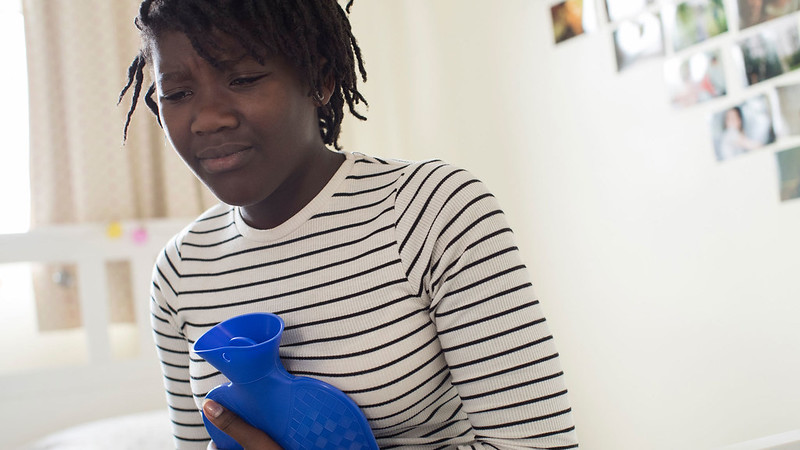
Children with pain are better able to live full lives because of the research conducted by our Centre for Pain Research (CPR).

Our research project to develop the REACT Hub to encourage collaboration between universities and the creative sector.

Through our research we have improved the experiences and treatment of autistic people when they encounter the Criminal Justice System.

Find out how work by Dr Jo Daniels has helped the NHS shape its priorities, funding and pandemic preparedness for the future health and social care workforce.
We seek to develop innovative methods of treatment and intervention, improving mental well-being and health. The breadth of our methodological approaches, including diverse quantitative and qualitative methods, features strongly in our research.
Our work is interdisciplinary, with collaborations across humanities, science and engineering, and with industry and policy partners. Research is carried out in our new £30m building, a dedicated space with two floors of state-of-the-art laboratories.
Contact us to find out more about our research.