Department of Computer Science research

Our research is strongly interdisciplinary and combines practical application with a theoretical understanding.
98% of our submitted research activity was ranked as ‘world-leading’ or ‘internationally excellent’ in the most recent Research Excellence Framework (REF2021).
Our research is strongly interdisciplinary and combines practical application with a theoretical understanding.
Join us in a supportive, well-equipped and creative environment to help you reach your full potential. You'll develop a sound knowledge base and a range of skills that are valuable to a career in computer science.
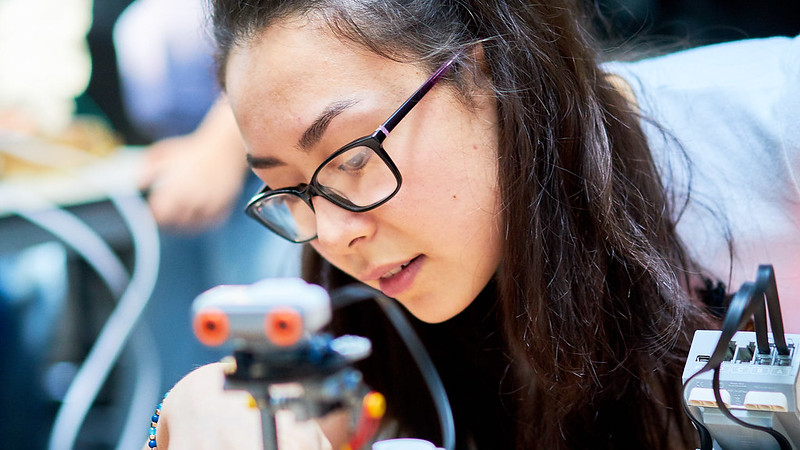
Learn more about our computer science courses, including entry requirements and course structure.

Get to know our courses, facilities and students without having to step foot on campus.

One of our support technicians gives you a guided tour of the key spaces and facilities available in the Department.

Dr Andrew Barnes in the Department of Computer Science is harnessing artificial intelligence to predict storms and extreme weather events all over the world.
Find out what our students think about studying computer science at Bath.
Our master's courses and research degrees give you the opportunity to take your career to the next level.

We offer a range of master's courses including data science, human-computer interaction, machine learning and a generalist course.
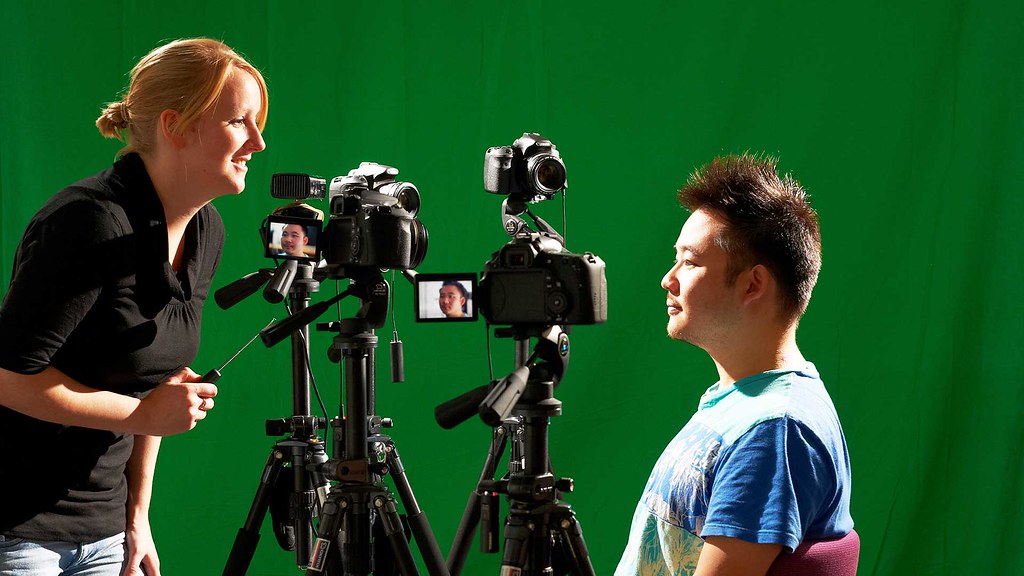
Find out about our PhD degrees, funding opportunities and how you can apply.
We train the next generation of specialists with expertise in AI, its applications and its implications.
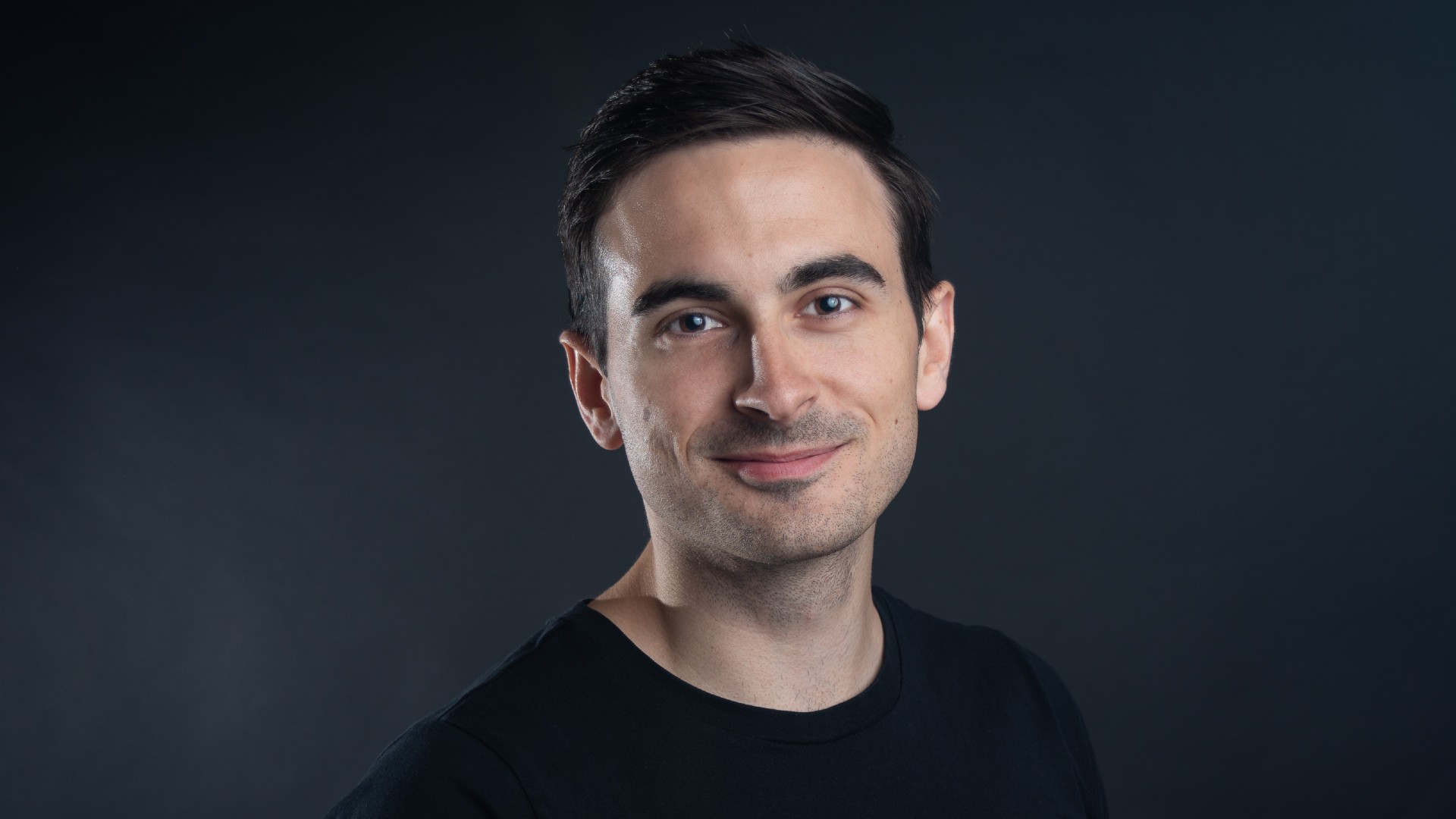
MSc Computer Science graduate, Jordan Koulouris, is a Software Engineer for Tripadvisor. Find out more about his role and his experience at Bath.
Read about the latest research news and press releases from the Department.

Hand gesture controls being developed for the next generation of virtual and augmented reality systems risk excluding millions of people – new research.

Scientists have reprogrammed a Roomba to perform four new tasks, showcasing how domestic robots can be harnessed during their downtime to make our lives easier.

Home-based cycling game developed at Bath launches on the Meta Quest Store. AI and VR technology keep costs down and motivate exercisers to work harder.

AI is transforming industries at an unprecedented pace and this showcase supported collaboration with industry which is key to unlocking its full potential.

Major tech companies are investing billions in augmented reality (AR) headsets and smart glasses, but how will this cutting-edge technology enhance daily life?

New open access software could be used by clinicians, physiotherapists, sports coaches and athletes to analyse body movements without motion capture suits.
Our awards, league table rankings and accreditation.

Top 10 for student experience for Computer Science in The Times and The Sunday Times Good University Guide 2026
Hear from academics at the University of Bath on their expertise in AI and Machine Learning and from industry partners on benefit of collaborating with us to help advance their capabilities in AI.
Our research themes focus on particular research areas and we have a strong culture of collaboration and mutual support.
Our research is strongly interdisciplinary and combines practical application with a theoretical understanding.
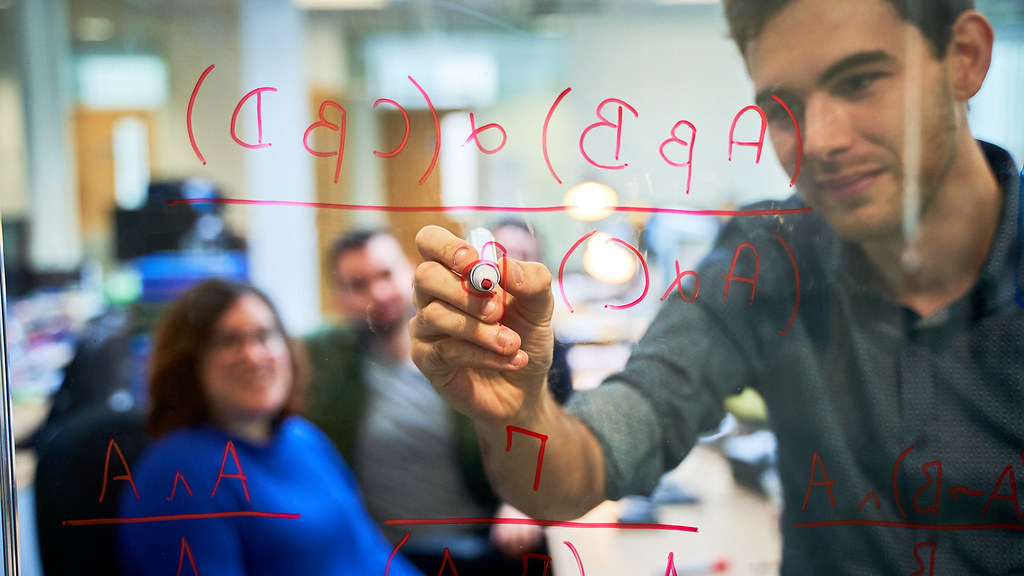
Find a member of staff in the department.
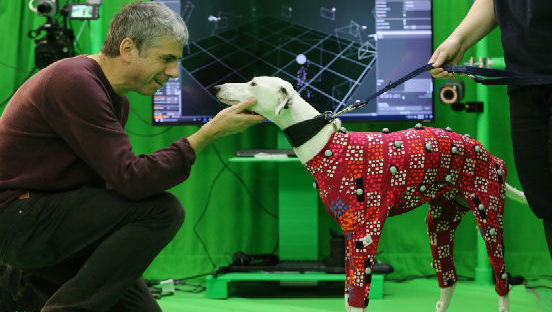
We create advanced motion tracking technologies for use in the entertainment industry, training and athlete performance, and assistive technologies.
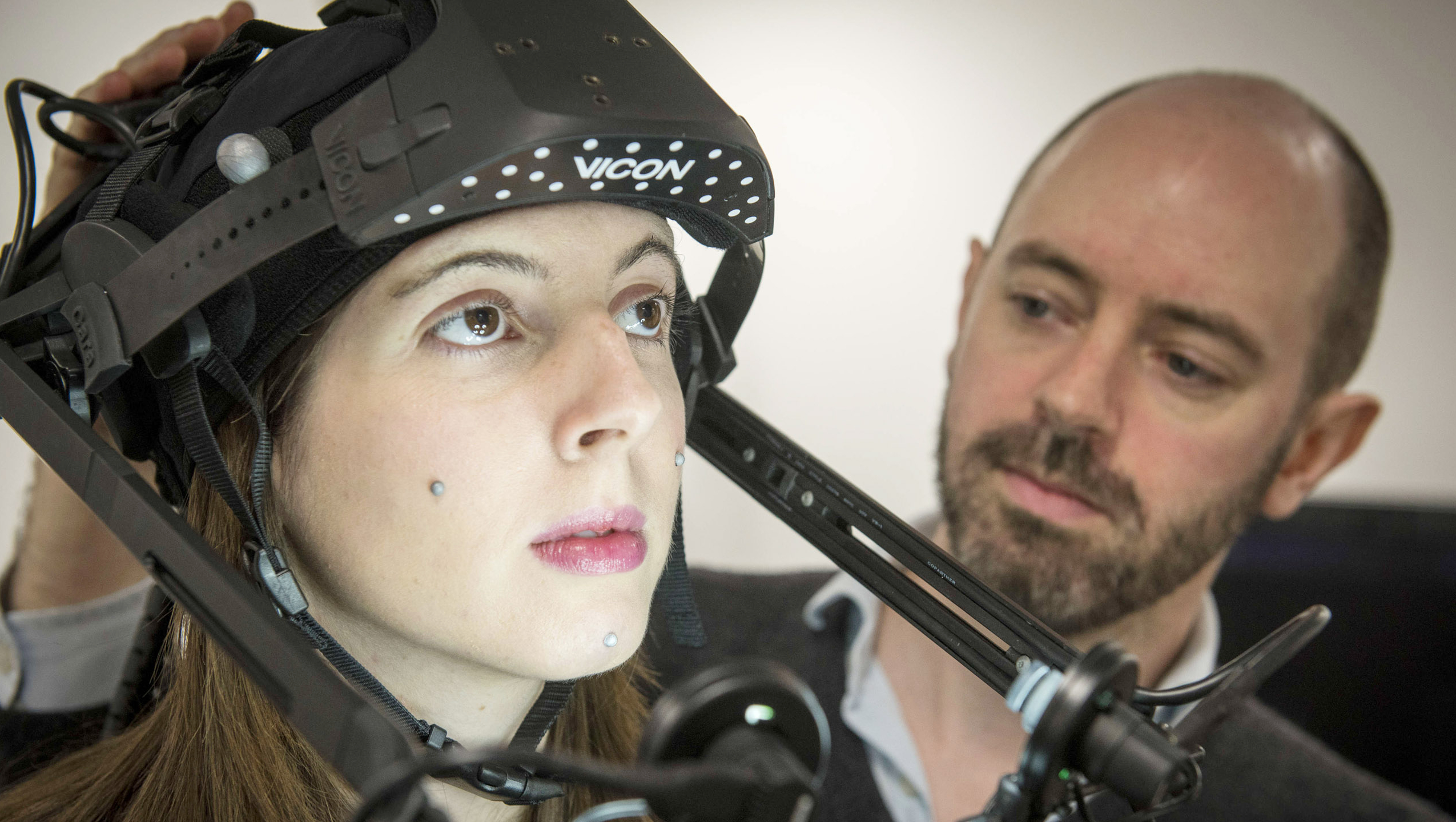
Our research engineers are working with industrial researchers in leading animation, VFX and games companies.
We train the next generation of specialists with expertise in AI, its applications and its implications.
We work with industry on teaching, placements and research. From small local companies to large international organisations, we're dedicated to building mutually beneficial relationships with industry. Find out more about what we can offer businesses.

Explore our state-of-the-art facilities available for teaching and research with expert support from University staff.
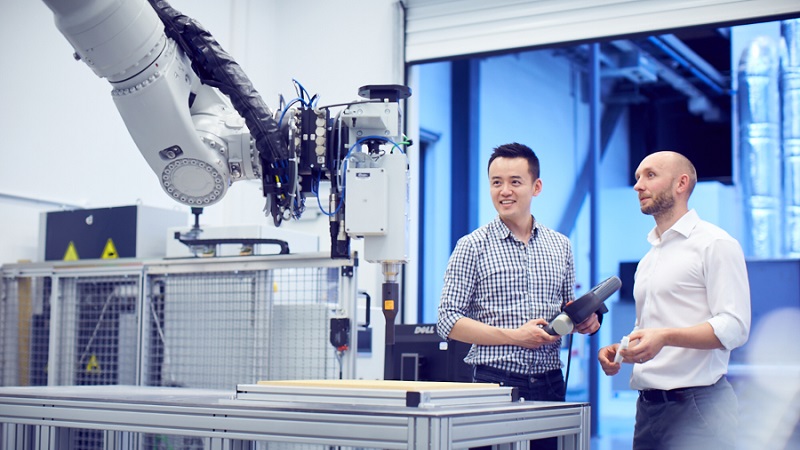
We are part of the South West's Digital Engineering Technology and Innovation (DETI) programme. Find out how we are digitally transforming future engineering.

The University of Bath is committed to exploring mutually beneficial partnerships with industry. This guide gives you the information you need to get started.
We offer undergraduate and postgraduate degrees covering a range of computer science specialisms. Our degrees offer excellent career prospects. You can go on a placement as part of most of our degrees to gain real-world work experience while earning a salary.
Ask us more details about our courses and research, and keep up-to-date through social media.