Astrophysics Group Members
We are a team of academics and research students in the Department of Physics who specialise in astrophysics and related earth science.
We use cutting-edge observational, computational and theoretical methods to address fundamental questions in astrophysics and related earth science. Our research covers both extreme phenomena in high-energy astrophysics and the large-scale evolution of the universe and the galaxies within it. Within the former, we study the physics of neutron stars and black-hole formation by observing and modelling relativistic jets and gamma-ray bursts. Within the latter, we use large-survey data and perform cosmological simulations of galaxies and cosmic structure. We map nearby variable stars to calibrate the cosmological distance ladder. Bridging topics are our use of gamma-ray burst as cosmic probes of their environment and our observational research into active galactic nuclei. Further research themes include satellite imaging and acoustics. We are members of international consortia including 4MOST. Our numerical work involves fluid dynamics, machine learning and uses national HPC facilities.
Find Out More About Physics Research At Bath
Learn more about the research activities of our staff, research associates and PhD students.
We are a team of academics and research students in the Department of Physics who specialise in astrophysics and related earth science.
Astrophysics seminars take place at 13:15 UK time on a Wednesday (occasionally on other days) in 8W 3.14 (occasionally in other rooms).
Join us as a PhD student or member of staff. Interested students can either contact academic staff directly or see our projects on FindaPhD.com.
Find out about how to join us as a PhD student or a research fellow.
See available PhD projects in the Department of Physics
Advice for postdoctoral researchers about how to apply for fellowships and join the Department of Physics.
Find out details of our upcoming events.
The UK/Ireland Astrophysics Transients Meeting 2026 will bring together researchers working on transients including supernovae, gamma-ray bursts and more.
Read more on Bath astrophysicists in the news.

Dr Martin Rey and Prof. Stijn Wuyts receive STFC funding to study stellar-driven winds shaping distant galaxies.

New research published in Nature Acoustics has analysed 10 years of data and showed how to adapt polar underwater noise regulations.

The powerful telescope facility 4MOST has obtained its first light, a key milestone that marks the beginning of its scientific operations.

New study uses simulations to solve the mystery of the origins of globular clusters – one of the universe’s oldest and densest stellar systems.

Bath Astrophysicists joined this year’s Somerscience festival, providing public talks, planetarium shows and an information stand to over 5,000 visitors.
The University is saddened to learn of the sudden passing of Dr Patricia Schady, Senior Lecturer in the Department of Physics, who died after a short illness.
Find out more about research consortia in which we participate.
Find out more about the research our group has been involved in.
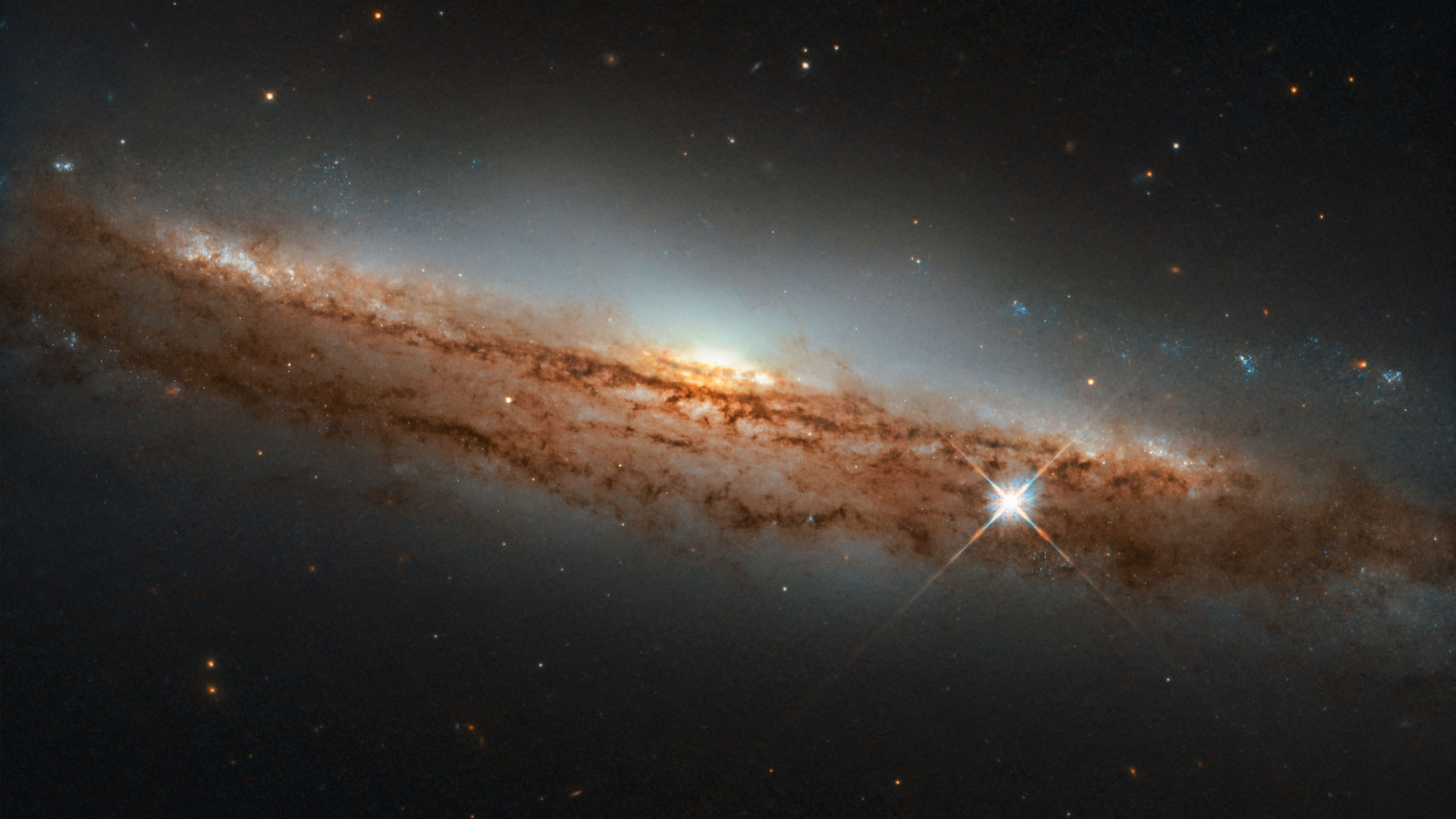
With intergalactic distances reaching many thousands of lightyears, researchers turn to geometry to model galaxies and learn more about their evolution.

In October 2022, telescopes registered the brightest cosmic explosion of all time. Bath astrophysicists set out to discover what made it so dazzling.
Find out more about the research our group has been involved in.

Dr Philippe Blondel talks about partnering with Seiche to monitor seismic prospection, and using acoustic tomography to help protect marine life.
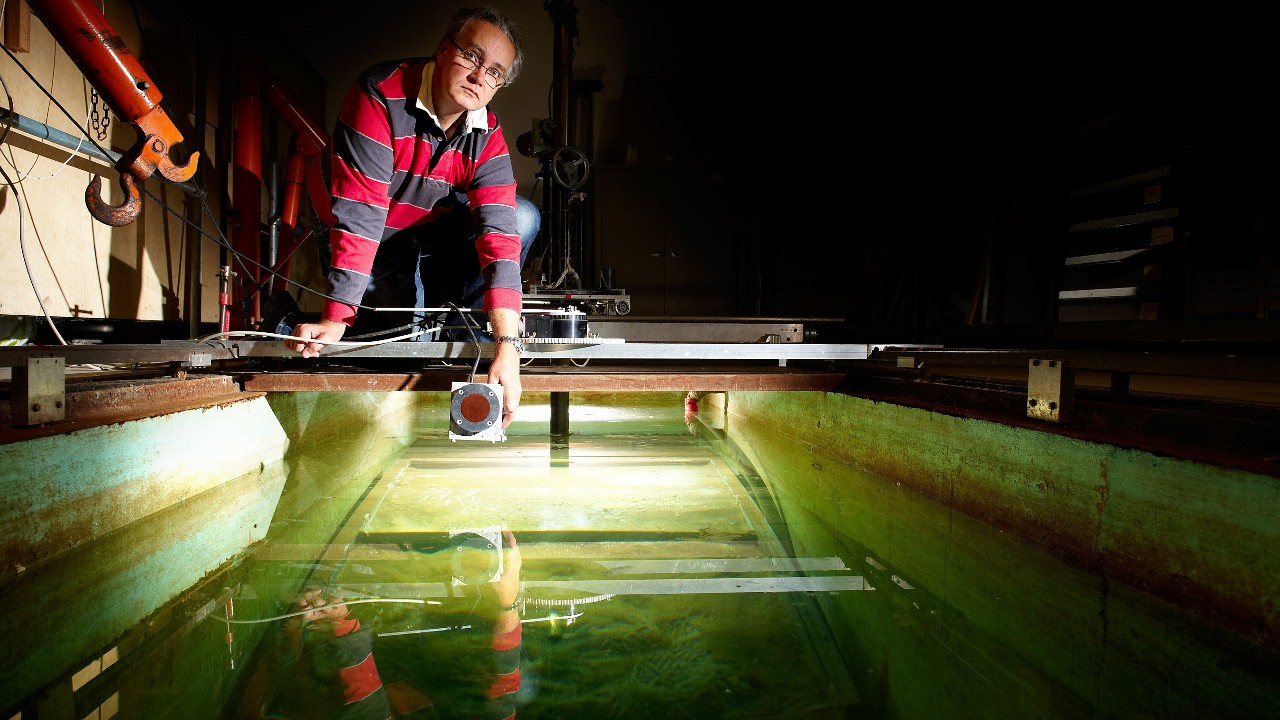
Dr Philippe Blondel from the Department of Physics is uncovering the secrets of the deep and imaging our underwater environments with sound waves.

What happens to a glacier when no one is around? This is the story of our researcher mapping the behaviour of icebergs using underwater acoustics.
Take a look at recent papers, articles and conference contributions from our staff and students on our Bath Research Portal.


