Physics PhD projects on FindaPhD.com
We offer projects over a broad spectrum of subject areas. Projects are available as part of Centres for Doctoral Training as well as on an individual basis.
Our research uncovers new states and phases of matter combining advanced experimental techniques with theoretical methods beyond the state of the art. We are interested in crystalline and amorphous solids with many-body correlations involving structural parameters, magnetic- or charge-ordered states, and superconductivity. Our efforts concentrate on phenomena arising from out of equilibrium conditions induced by pressure, strain or electric/magnetic/optical fields in material systems for real world disruptive applications.
Find Out More About Physics Research At Bath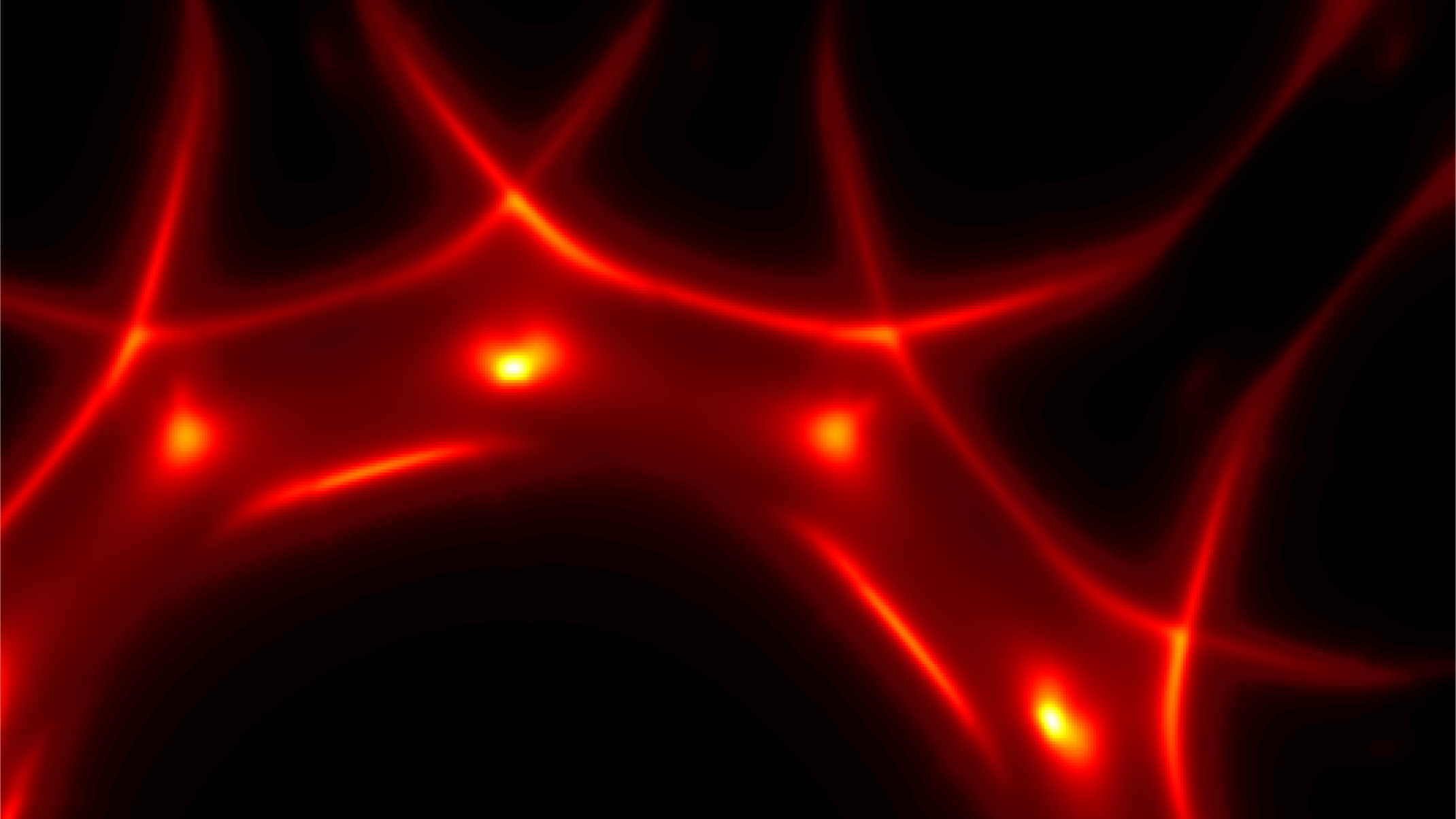
Learn more about the research activities of our staff, research associates and PhD students.
Join us as a PhD student or member of staff. Interested students can either contact academic staff directly or see our projects on FindaPhD.com.
We offer projects over a broad spectrum of subject areas. Projects are available as part of Centres for Doctoral Training as well as on an individual basis.
See available PhD projects in the Department of Physics

Advice for postdoctoral researchers about how to apply for fellowships and join the Department of Physics.
Read more on Bath Condensed Matter and Quantum Materials in the news.

Dr Habib Rostami, in collaboration with CNR-ISM and Elettra-Sincrotrone Trieste, publish a paper on hidden orbital order in “Symmetric” Crystal.
New research published in Nature Physics Perspective clarifies what should count as a chiral phonon.

Whether droplets bounce or stick to a surface depends on their size and speed, not just the viscosity of the liquid.
New research shows that the hyperpolarisabilities of materials can be enhanced by the quantum geometry of their electrons.

Dr. Habib Rostami, from the Department of Physics at the University of Bath, has co-authored this pioneering research published in Advanced Science.
The Condensed Matter and Quantum Materials group is part of a larger community working on Nanoscience at the University of Bath and more widely, and the group uses or maintains shared research facilities.

At Bath, we have nanofabrication, characterisation and imaging facilities.
Find out more about the research our group has been involved in.

Scanning probe microscopes let us study surfaces at the nanoscale level. But how do they work and why do we need them? Physics researchers tell us more.
Take a look at recent papers, articles and conference contributions from our staff and students on our Bath Research Portal.