Physics PhD projects on FindaPhD.com
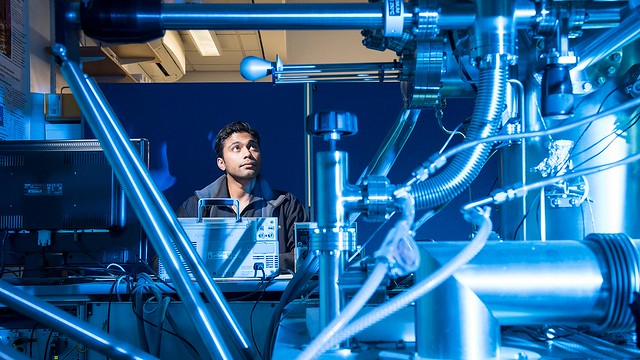
We offer projects over a broad spectrum of subject areas. Projects are available as part of Centres for Doctoral Training as well as on an individual basis.
The group uses theoretical and experimental approaches to answer questions at the interface with Biology. Group members address five research challenges: Building local probes to resolve the spatio-temporal electrical activity of biocircuits; Research on memristive, ferroelectric, spintronic, superconducting and neuromorphic devices going beyond von Neumann computation; Accelerating the discovery of materials with machine learning; Theoretical approaches for building models from data and linking structure to function in spiking neural networks; and Novel organic, iontronic and semiconductor devices for bioelectronic medicine. Group facilities include the David Bullett nanofabrication lab, wet and dry characterisation labs. We are members of several UK and EU consortia. Our research is benefiting society through the translation on our non-invasive glucose sensors and neuronal pacemakers to healthcare providers and patients.
Find Out More About Physics Research At Bath
Learn more about the research activities of our staff, research associates and PhD students.
Join us as a PhD student or member of staff. Interested students can either contact academic staff directly or see our projects on FindaPhD.com.
We offer projects over a broad spectrum of subject areas. Projects are available as part of Centres for Doctoral Training as well as on an individual basis.
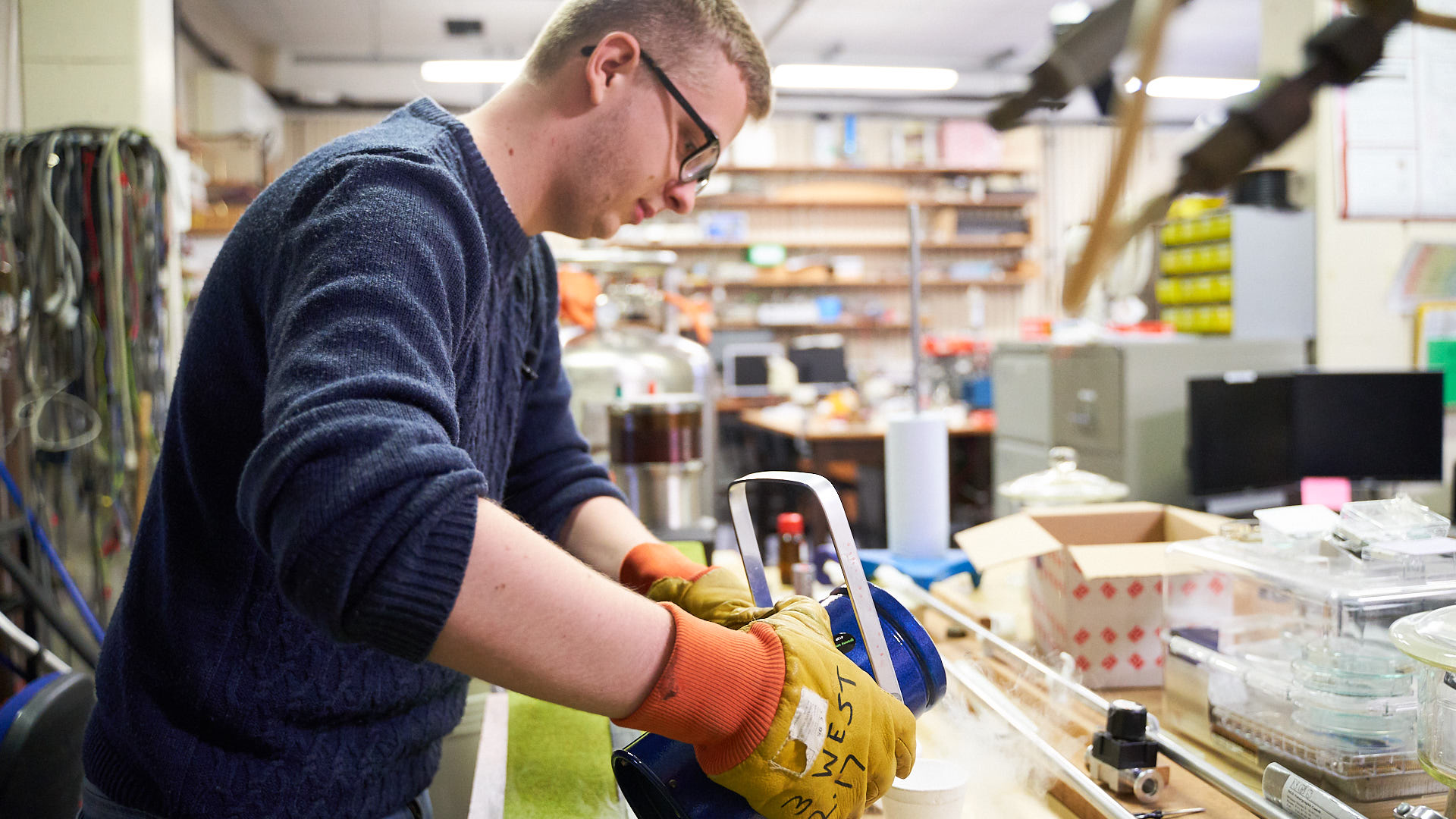
See available PhD projects in the Department of Physics
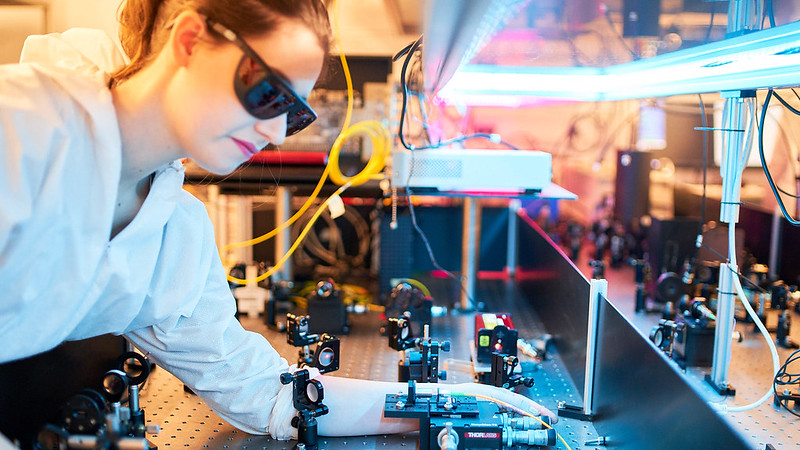
Advice for postdoctoral researchers about how to apply for fellowships and join the Department of Physics.
Read more on Bath NanoBioElectronics in the news.

Prof. Alain Nogaret had the privilege to speak at the UK-China workshop on neuromorphic devices, on January 6, 2026, at the invitation of Shandong University.

New research published in Nature Physics Perspective clarifies what should count as a chiral phonon.
New research shows that the hyperpolarisabilities of materials can be enhanced by the quantum geometry of their electrons.
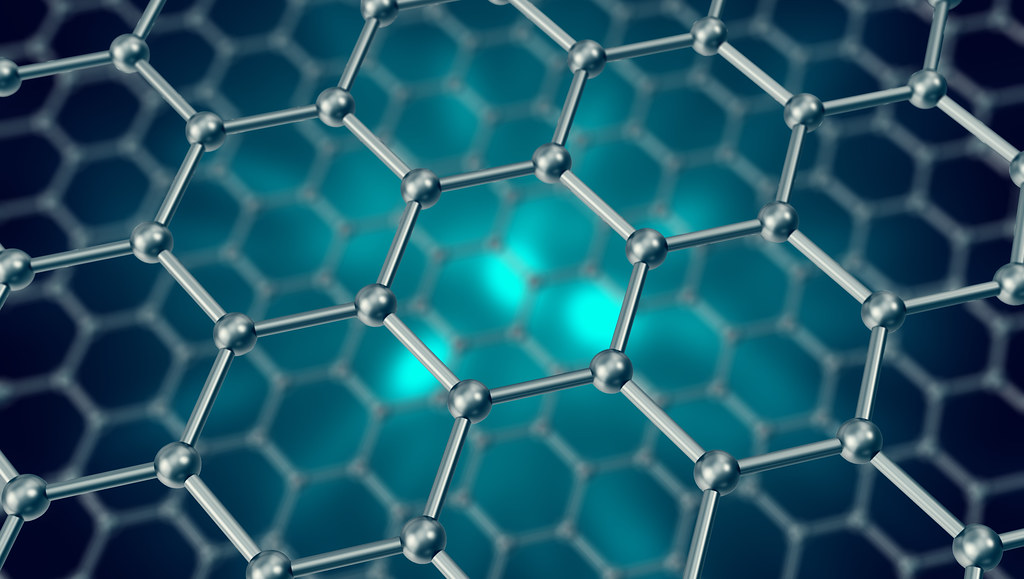
Dr. Habib Rostami, from the Department of Physics at the University of Bath, has co-authored this pioneering research published in Advanced Science.
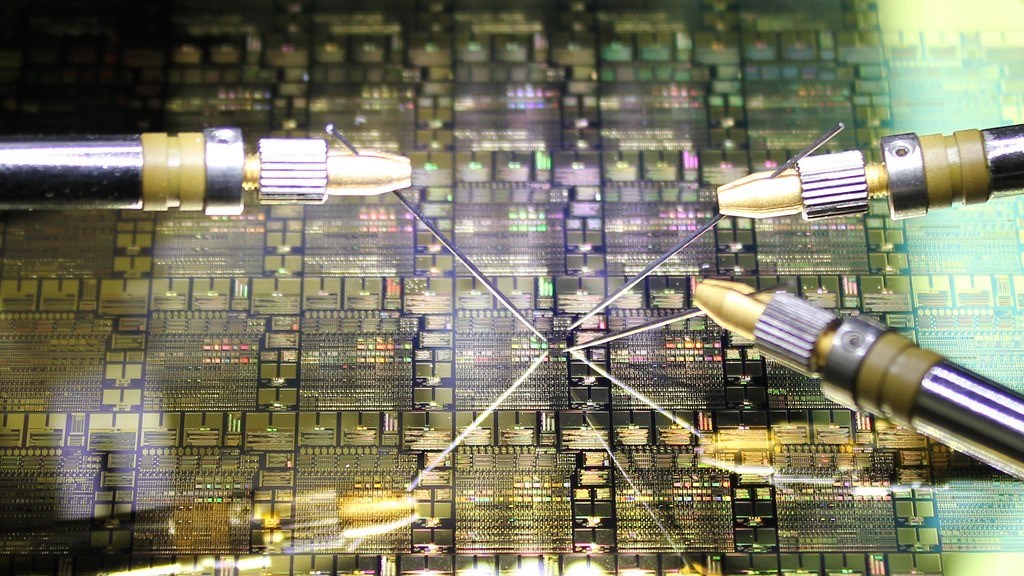
The lab was created thanks to £250,000 from the Garfield Weston Foundation and will develop materials to tackle challenges in healthcare and sustainability.
Find out more about our spin-out and start up companies, and how our research benefits society.

Ceryx Medical is developing bioelectronics to help control a range of autonomic or rhythmical body processes such as peristalsis, heart rate and even walking.
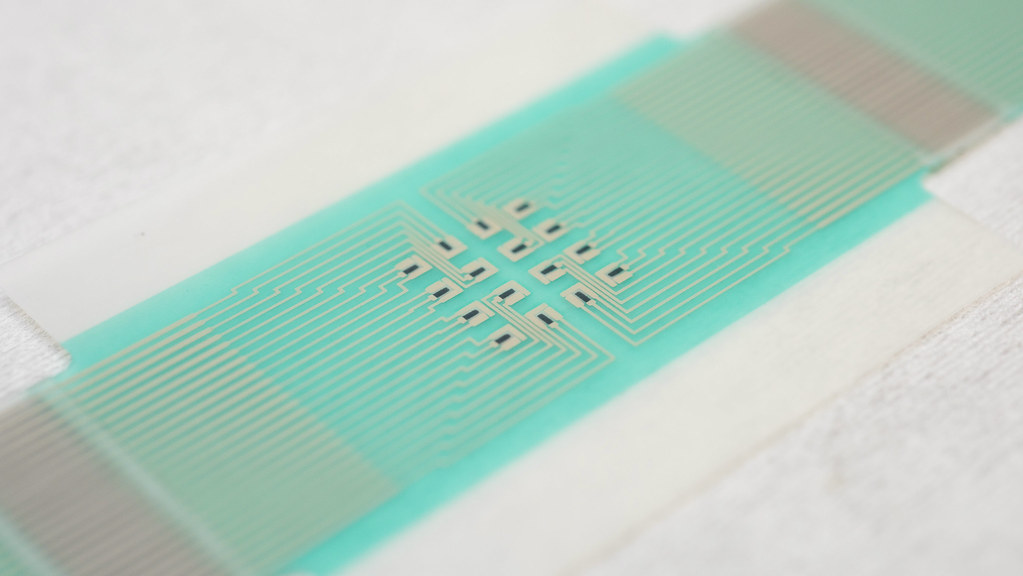
Transdermal Diagnostics is developing non-invasive glucose sensors, which measure glucose levels through the skin without a finger-prick blood test.
The NanoBioElectronics group is part of a large community working on electronic materials, devices and physical models at the University of Bath, and the group uses or maintains shared research facilities.

We are a diverse community who develop and deploy technology to enhance and improve the physical and cognitive abilities of individuals.

The Institute for Mathematical Innovation delivers multi-disciplinary and mathematically grounded research for real-world, societal and industrial challenges.

At Bath, we have nanofabrication, characterisation and imaging facilities.
Find out more about some of our major research grants and the research consortia in which we participate.
Find out more about the research our group has been involved in.

Researchers in the Department of Physics are exploring the electrical workings of nerves and how they can make the drugs of tomorrow safer and more effective.
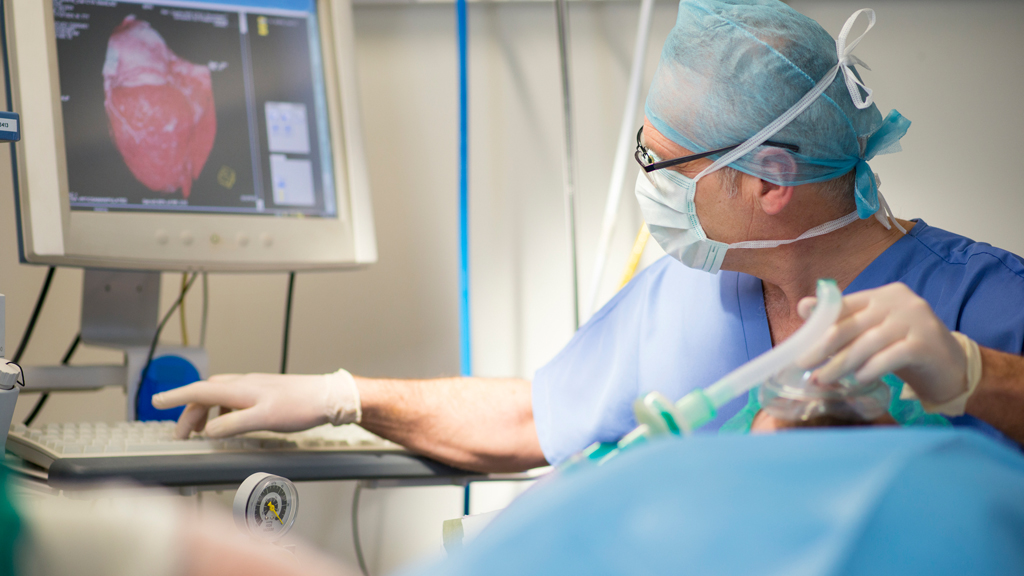
A team led by Bath physicists intends to give heart failure patients a new lease of life.

Scanning probe microscopes let us study surfaces at the nanoscale level. But how do they work and why do we need them? Physics researchers tell us more.
Take a look at recent papers, articles and conference contributions from our staff and students on our Bath Research Portal.