Department of Physics research
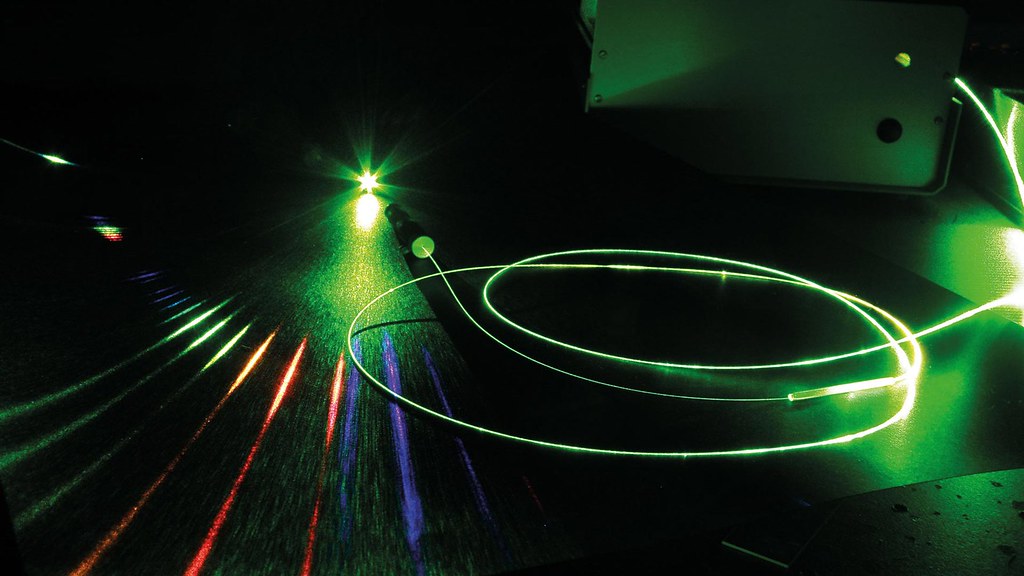
We have a thriving research programme, encompassing physics from the nanoscales to the most energetic processes in the Universe.
96% of our submitted research activity was ranked as ‘world-leading’ or ‘internationally excellent’ in the most recent Research Excellence Framework (REF2021).
We have a thriving research programme, encompassing physics from the nanoscales to the most energetic processes in the Universe.
Find out details of our upcoming events.
The UK/Ireland Astrophysics Transients Meeting 2026 will bring together researchers working on transients including supernovae, gamma-ray bursts and more.
Our latest research news and press releases.

Dr Said Ergoktas from Department of Physics has been awarded for his work in the field of experimental physics.

Professor Ventsislav Valev has been elected a Fellow of the American Physical Society in recognition of his exceptional contribution to physics.

Bath scientists explore whether silk proteins can be used to grow optical fibres as part of a £50 million ARIA programme to create new advanced materials.

One of Europe's most competitive research grants, the project will enable researchers to probe dynamics that govern chemical reactions with atomic precision.
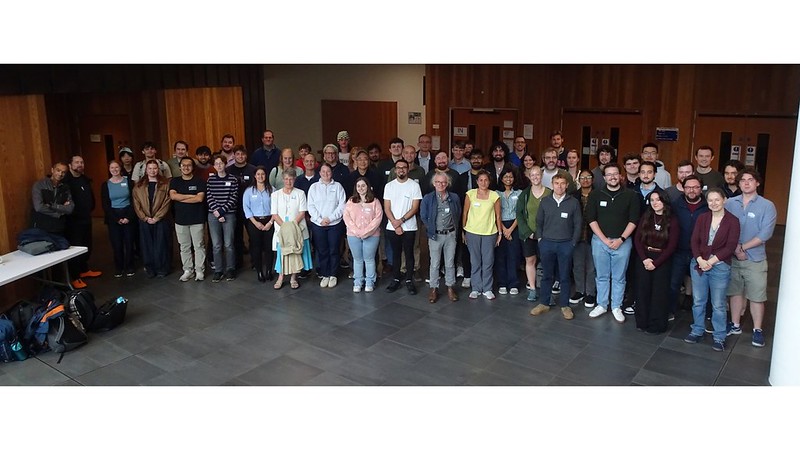
Bath Astrophysicists have organized a conference on cosmic explosions and other astrophysical transients, followed by a workshop on neutron star physics.

The fellowship is granted for “outstanding achievements in biophysics and transformative approaches towards solving major healthcare challenges”
Find out about our undergraduate and postgraduate courses, including our top 5 reasons to study physics at Bath.

Learn more about our physics courses, including entry requirements and course structure.
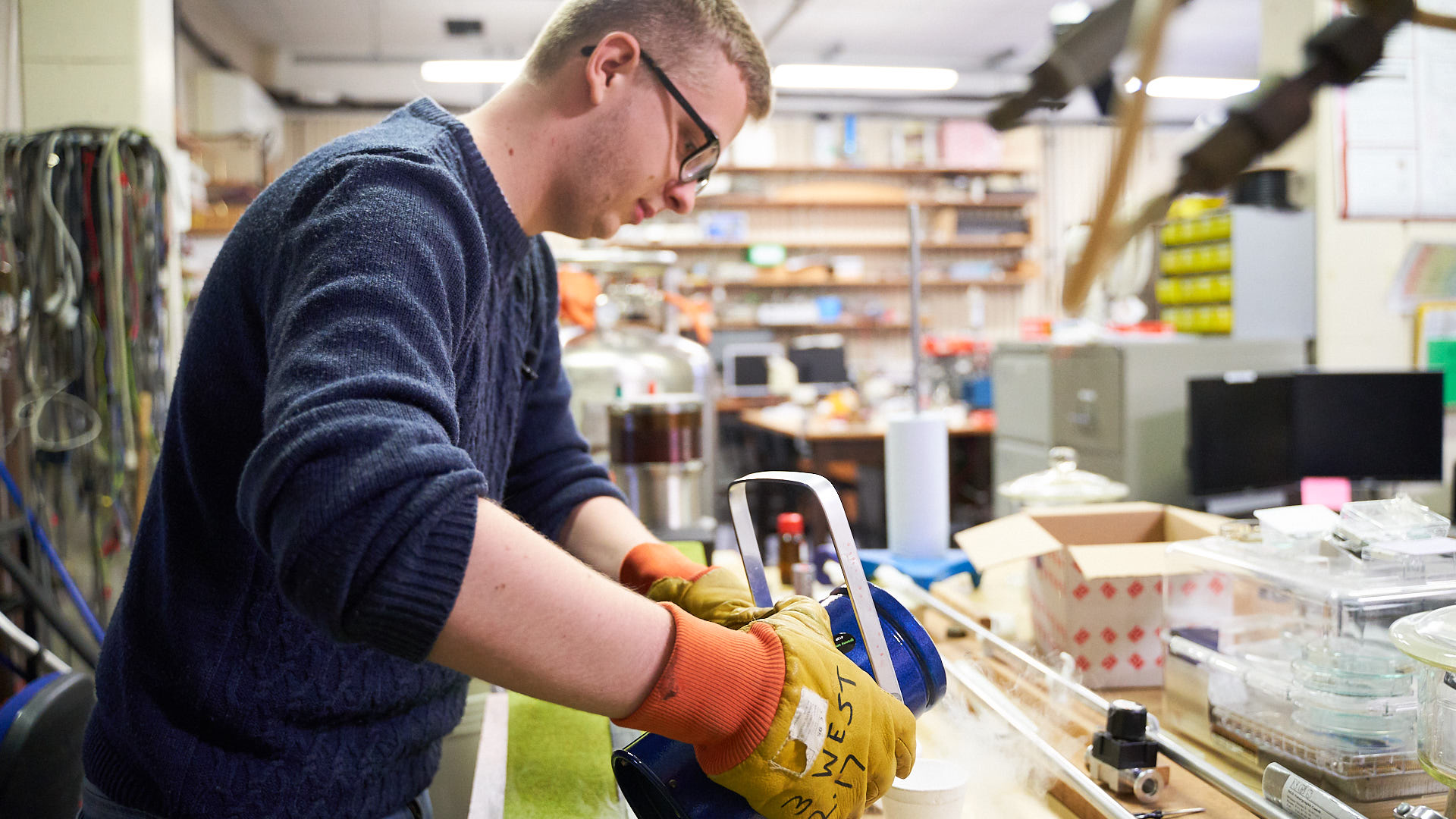
See available PhD projects in the Department of Physics

From placements to graduate job prospects, there are lots of reasons to study physics at Bath. Here are our top 5.
Learn more about staff and facilities in the department and see how your school or college can get involved with our work.
Find a member of staff in the department.
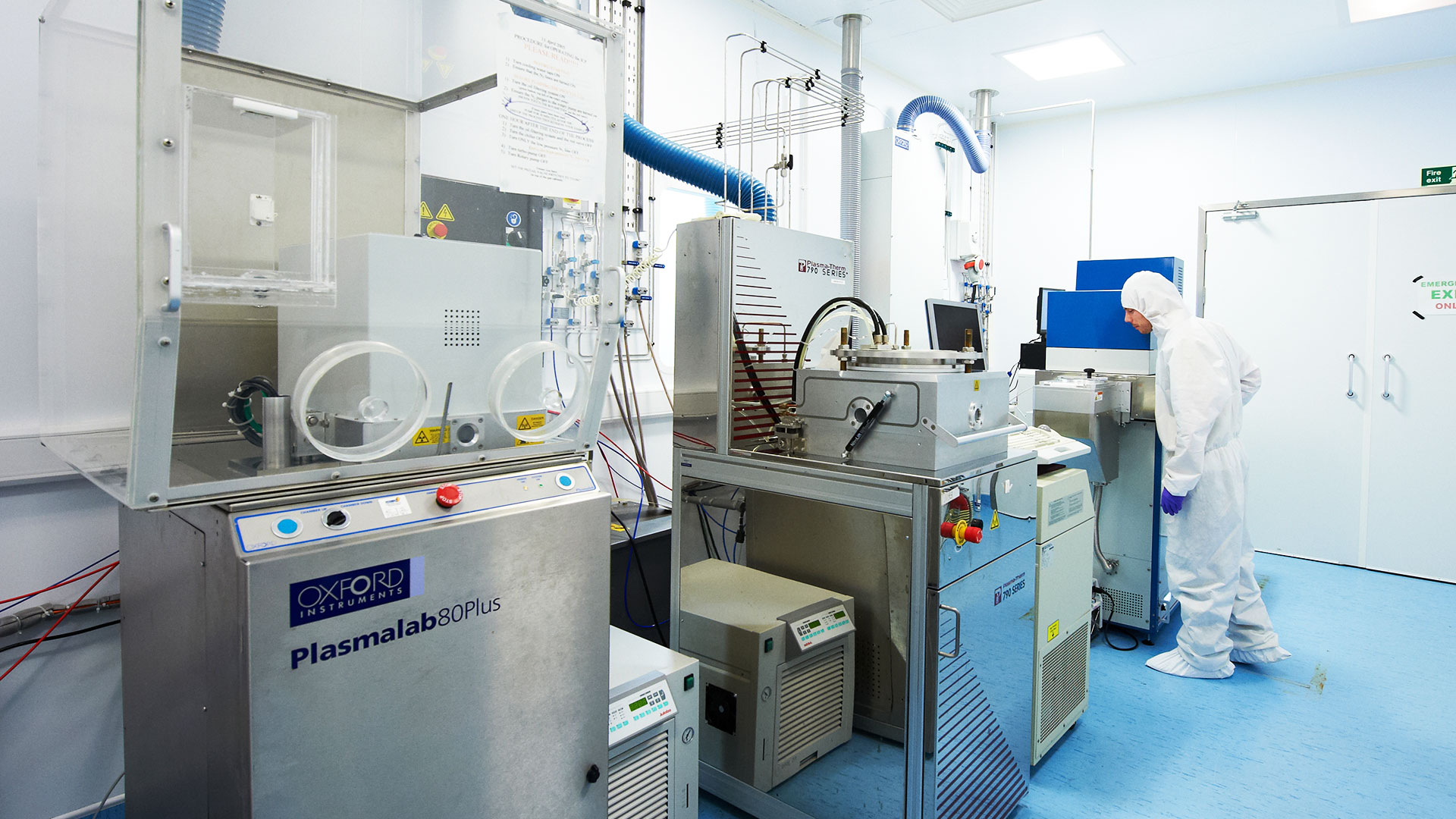
Explore the facilities available for teaching, research or commercial use with expert support from university staff.
We have a thriving research programme, encompassing physics from the nanoscales to the most energetic processes in the Universe.

We are a group of Teaching Fellows, Academic Staff, and Technicians involved in Physics teaching activities and who have an interest in pedagogic research.

Find out how your school can access our teaching resources, and let's work together to communicate the excitement of physics to children.
Find out what it's like to go on a placement while studying at Bath.

Mathematics and Physics student Rebecca Lane found inspiration for the future while attending a STEM event during her placement.
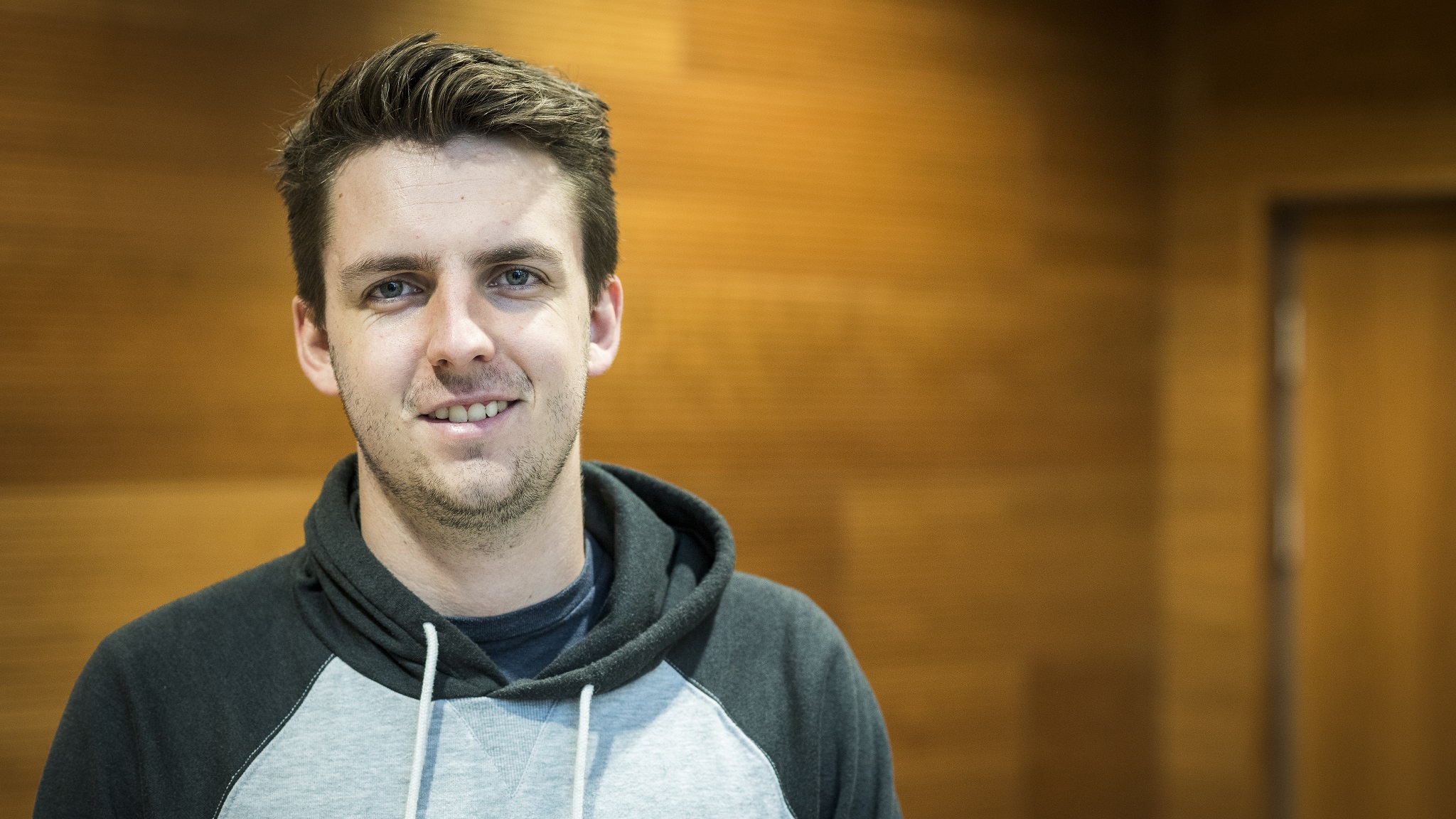
Physics student Adam Stannard opted for a placement as an operational research analyst to gain new skills and insight into the business world.
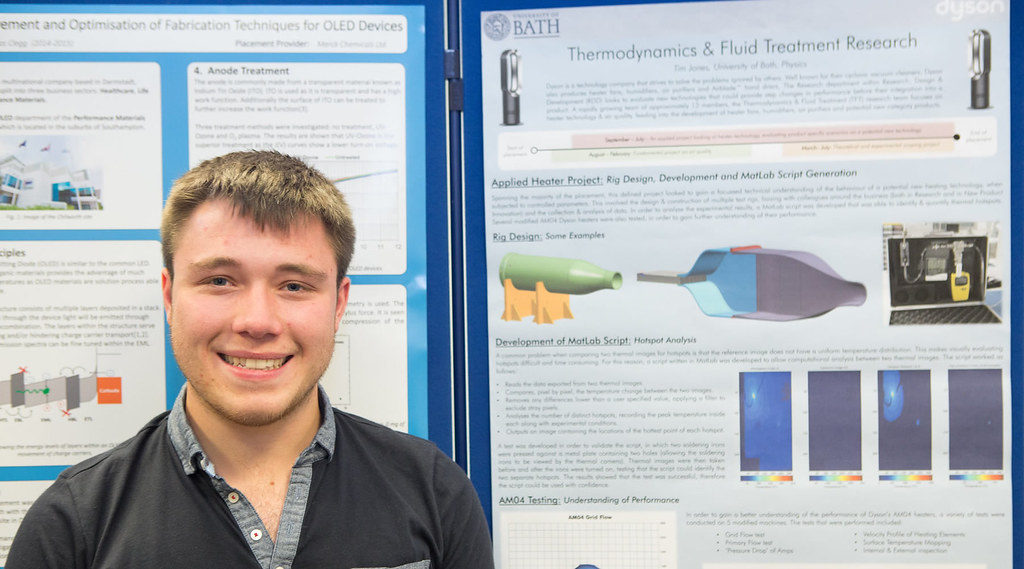
Physics student Tim Jones on gaining experience in a research-engineering role and securing a graduate role with Dyson.
Find out more about prizes and awards recognising our staff and students alike.

A number of student prizes are awarded each year to celebrate our students' academic achievements.

Discover more about various University awards and prizes celebrating staff excellence in the Department of Physics.
The Bath Alumni blog: insights & stories from campus & beyond

After visiting friends in Bath from Spain, Amos Martinez made the leap to transfer his physics studies and enrol at the University.

Bath alumnus Christopher Orr credits his love for physics to growing up in a practically minded family and in the age of thrilling scientific endeavours.

Bath alumna Esther McMorris is the founder and CEO of Nine Feet Tall – a change management consultancy with teams based out of Bath, Bristol and London.

One of main lessons Floyd took away from studying physics at Bath was the importance of learning the basics in your chosen discipline.

Dual career athlete Charlie Bond studied judo at Bath about as much as she studied physics.
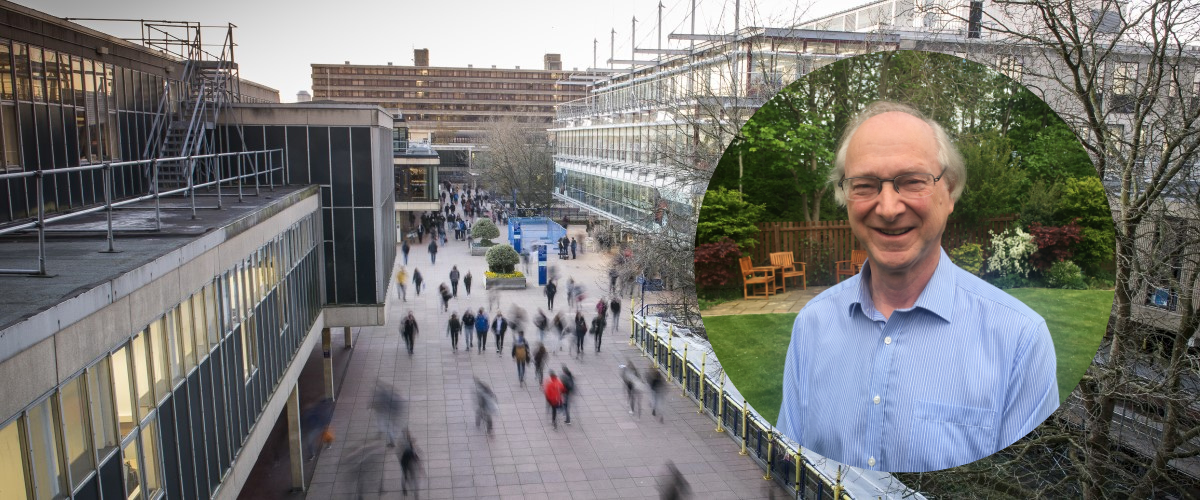
Professor Alan Miller has been named an Honorary Fellow by the Institute of Physics for his outstanding contribution to the field.
We are committed to promoting equality and diversity. We welcome a diverse community of students and staff.
From research, through outreach to teaching, find out the highlights of everything that has happened over the past couple of years in the Department of Physics.
Our broad selection of courses satisfy a wide range of interests, preparing students not only for a career in physics but many other fields as well.
Our diversity as a department is reflected through the variety of research conducted by our seven research groups and centres encompassing physics on the smallest nanoscales to the most energetic processes in the Universe.
For any queries about our research or courses, please contact us in person or online.
We are based in the 8 West building on campus
University of Bath, Claverton Down, Bath, BA2 7AY, United Kingdom