Drug Targets, Cells and Developmental Bioscience division members
We are a team of academics working to advance discovery science and innovative strategies to treat human disease.
Uniting cell, developmental and molecular biology with pharmacology to reveal core biological processes and drive new approaches to treating health challenges.
Our Division brings together researchers investigating molecular, cellular and developmental processes central to human health and disease. Research spans neurodegeneration, cancer biology, developmental genetics, metabolism, mechanobiology, cell reprogramming and computational biology.
Teams study pathways driving Alzheimer’s, Parkinson’s and prion diseases using neuronal and stem-cell-derived models. Others recreate tumour microenvironments through 3D co-culture systems to uncover nerve–cancer interactions, or explore immune signalling in tissue repair. Developmental biology research addresses neurodevelopment, neural crest fate and fetal growth, alongside how early disruption predisposes to adult disease.
Programmes in cellular plasticity, endosomal sorting and protein regulation reveal how cells sense and adapt, while computational and machine-learning approaches integrate single-cell genomics and imaging to deliver insights across development broadly.

Find out more about our members and their research.
We are a team of academics working to advance discovery science and innovative strategies to treat human disease.
Read news and updates from our Division.

Tony Perry of the Department of Life Sciences resumes his advisory role with the Human Fertilisation and Embryology Authority.

Prof Sarah Bailey was recognised by Understanding Animal Research for her work over a decade encouraging transparency of scientific research involving animals.
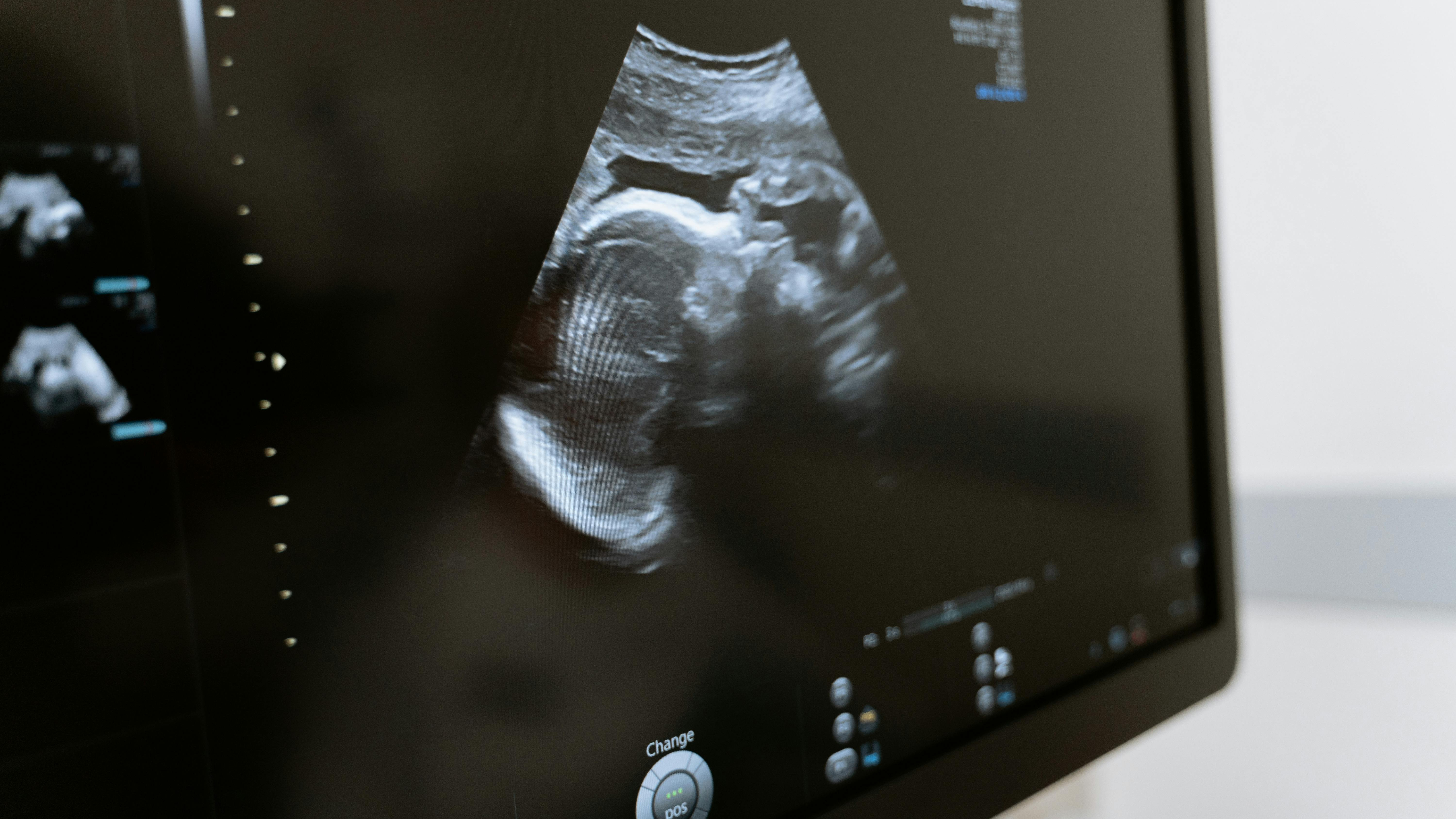
Developmental geneticist, Dr Kim Moorwood, explores how the genes behind fetal growth could impact our chances of serious health conditions in later life.

Bath researchers are building model tumours to learn how pancreatic cancer affects nerve cells and find new therapies to target tumour growth and patient pain.
Our division unites researchers studying molecular, cellular and developmental mechanisms that drive health and disease. We investigate neurodegeneration, cancer, development, metabolism, cell plasticity, mechanobiology and protein regulation, supported by advanced computational approaches. Together, we advance discovery science and innovative strategies to treat human disease.
If you have any questions about our research division, please get in touch.