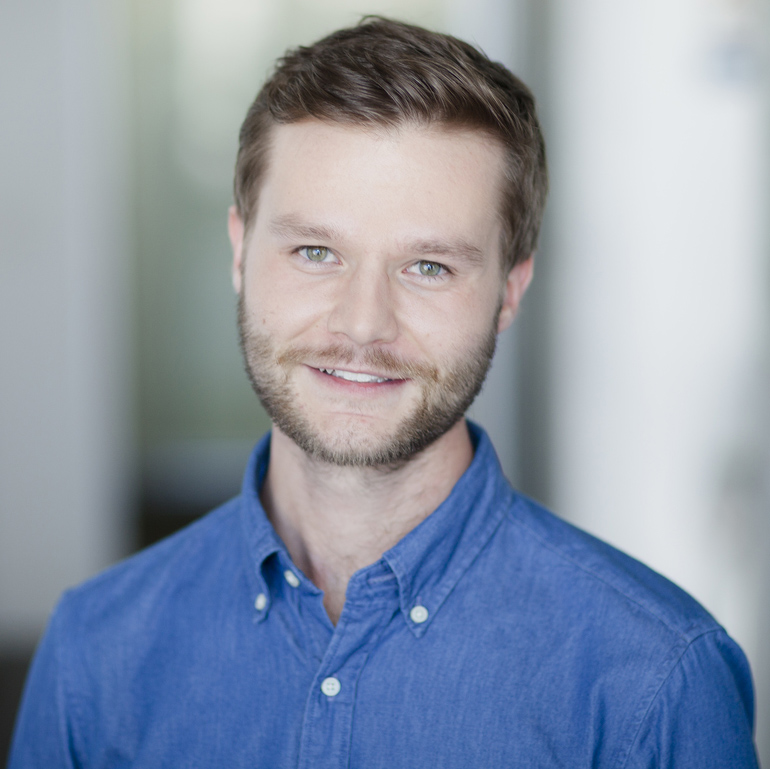
“I’ve spent many nights on a beach in Worthing trying to prove that the Earth is flat using lasers and the horizon,” says Dr Tim Hill. “Turns out, each and every public experiment I’ve been to, we [end up saying], ‘I think we’ve set it up wrong. It’s an equipment problem.’ It’s usually an ‘us’ failure.”
What leads someone to believe, contrary to all scientific proof, that our planet is flat? Or, indeed, in any of the myriad conspiracy theories that abound?
Going undercover
This is the question investigated by Tim’s recent ethnographic research, which took him undercover with such groups to examine their ‘awakenings’ – the moments when people begin to buy into such beliefs. These can range from the fairly harmless and entertaining, like Tim’s Flat Earther evenings on the beach, all the way up to dangerous and outright xenophobic far-right conspiracies such as the Great Replacement Theory.
“No one’s born a conspiracy theorist,” he explains. “The big lesson is that the transition to a position where you suddenly believe that doctors are trying to kill you through the use of vaccines, or that the Covid-19 pandemic doesn’t really exist and in fact was just a conspiracy to keep us in their own homes for a climate emergency lockdown – that journey, that process, it can happen in a matter of months.”
Pain and loss
Tim’s research identified that, for many, it is personal experience that moves them from healthy levels of scepticism to a conspiracy theorist. He points out that “the people who believe in these things aren’t stupid” but instead feel they have been gravely let down by authority figures.
Examples, he suggests, might include people who have lost loved ones in a hospital where they perceive medical staff to have made a mistake; or those who have lost jobs due to the government not stepping in to save a cherished national industry.
“When the state lets people down, they go searching for answers,” Tim asserts. “It’s in the process of joining online groups – which are usually led by some entrepreneurial type who wants to make a name for themselves – that things get slightly more dangerous and risky.”
Emily Godwin, a PhD student from Bath’s Institute for Digital Security & Behaviour supervised by Tim, has investigated how memes can also play a part in the online spread of conspiracy theories. Her research analysed memes posted to Covid-19-related social media communities on Reddit. She found that they fell into three broad themes: ‘deception’ by authorities and conspirators; ‘delusion’ among the public; and ‘superiority’ of conspiracy believers who see themselves as committed to ‘free thinking’.
“We see that memes play a significant role in reinforcing the culture of online conspiracy theorist communities,” says Emily. “Members gravitate towards memes that validate their worldview, and these memes become an important part of their storytelling. The simple, shareable format then enables a rapid spread of harmful beliefs.”